The first question everyone asks about virtual try-on is the right one: is it actually accurate?The honest answer is “accurate at some things, approximate at others” — and knowing which is which is the difference between using AI try-on well and being disappointed by it. Here's a realistic look at what today's technology gets right, where it guesses, and how to read your previews like a pro.
What “accurate” even means here
Accuracy in try-on isn't one thing. There's visual accuracy — does the preview look like a real photo of you in that garment? — and fit accuracy — would the actual size you order hang on your body the way the image shows? Modern AI scores high on the first and is intentionally approximate on the second. Keeping those two separate sets the right expectations for everything below.
What AI try-on gets right
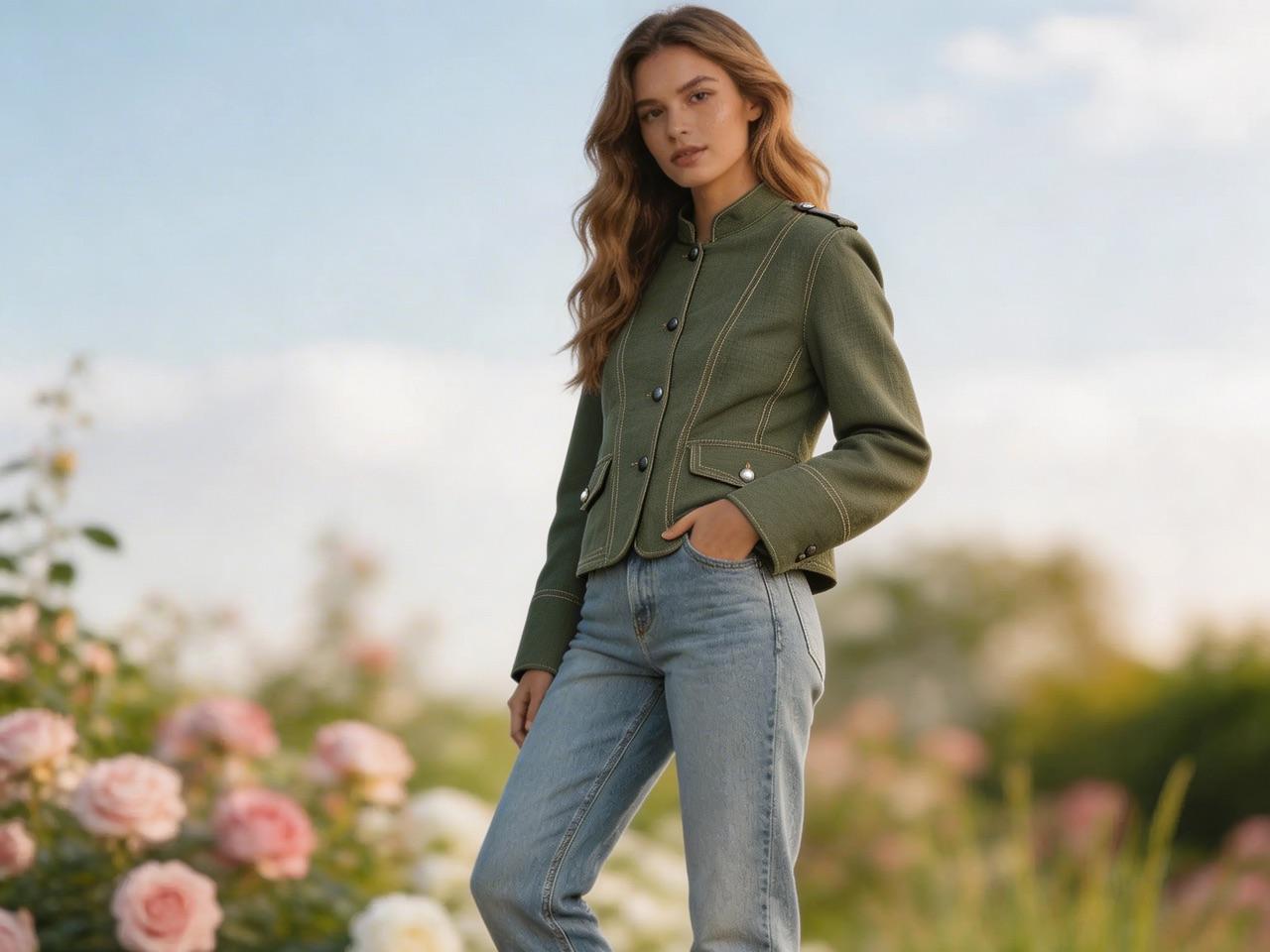
Today's generative models are remarkably good at the visual questions that matter most when you're deciding whether to buy. Color against your skin tone renders faithfully, which is huge — “does this shade wash me out?” is the single most common reason clothes get returned after one wear. Overall silhouette and proportion read true: you can tell whether a cropped jacket hits at a flattering point, whether wide-leg trousers balance your frame, whether an oversized fit looks intentional or just big. Patterns, textures, and fabric sheen come through convincingly, and the lighting in the preview matches your original photo, so the garment looks like it belongs in the scene rather than pasted on.
Where it approximates
The model has never measured your shoulders. It infers your build from a single photo, which means precise fit details are educated guesses: exactly where a sleeve ends on your wrist, how snug a waistband sits, whether a button placket pulls. Fine details can also drift on close inspection — a logo may soften, a zipper may blur, small text on a graphic tee may smudge. And fabric physics has limits: how a heavy wool coat swings when you walk, or how linen creases after an hour of wear, is beyond what a still image can promise.
The preview is only as good as your photo
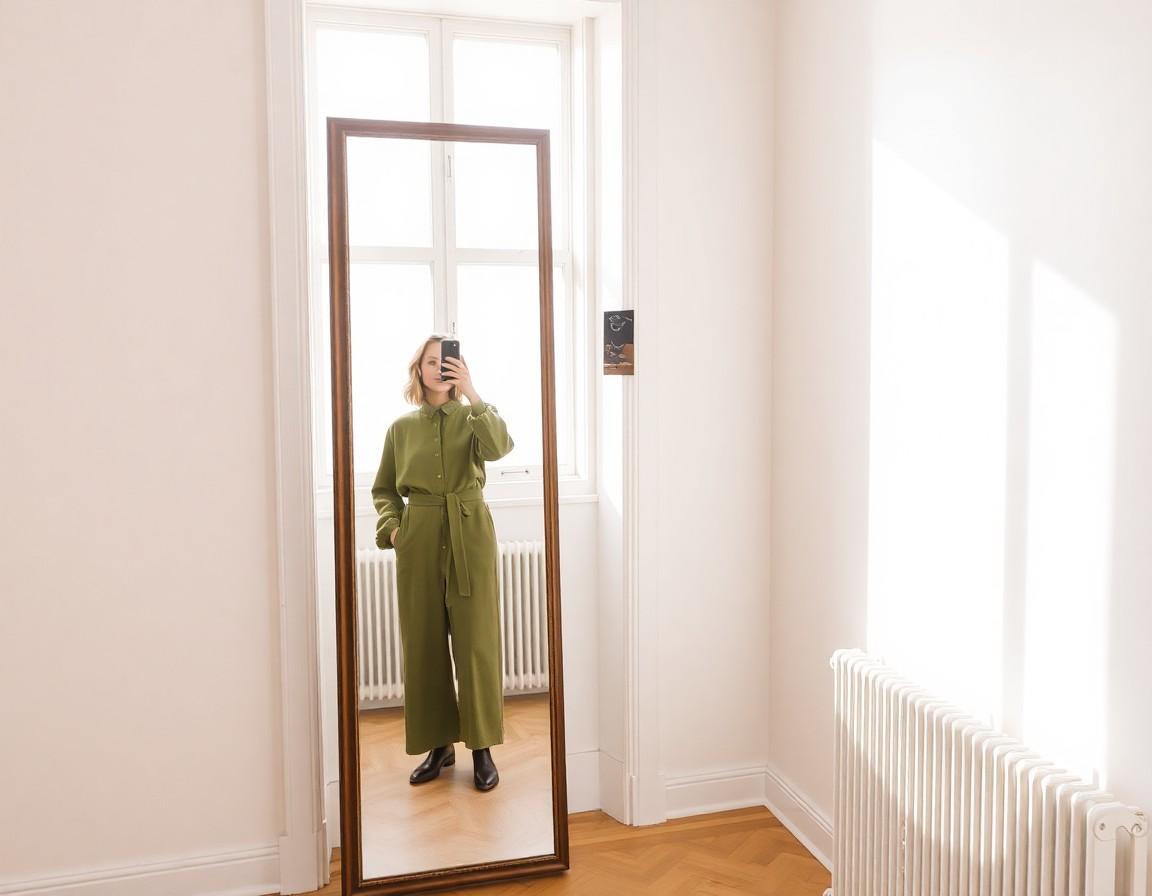
This is the variable you control, and it matters more than people expect. A sharp, front-facing photo with even lighting and your full torso visible gives the model everything it needs. A dim mirror selfie at an angle forces it to guess — and guesses compound. If a preview looks off, try a better photo before blaming the garment; the difference is often dramatic.
How to read a try-on result like a pro
Treat the preview as a styling decision, not a tailoring decision. Trust it for color, silhouette, length, and overall vibe — the “is this me?” question. For sizing, do what you'd do anyway: check the brand's size chart against your measurements. The winning combination is AI try-on for whether to buy and the size guide for which size to buy. Used together, they answer more than a fitting room mirror does.
It's improving fast
Try-on accuracy has jumped visibly in just the past couple of years as image models have learned better garment physics, body understanding, and lighting. The gap between “preview” and “photo of you actually wearing it” keeps narrowing. What doesn't change is the principle: a visualization tool keeps getting better at visualizing — it won't replace a measuring tape, and it doesn't need to.
Our take at TRYSHOP
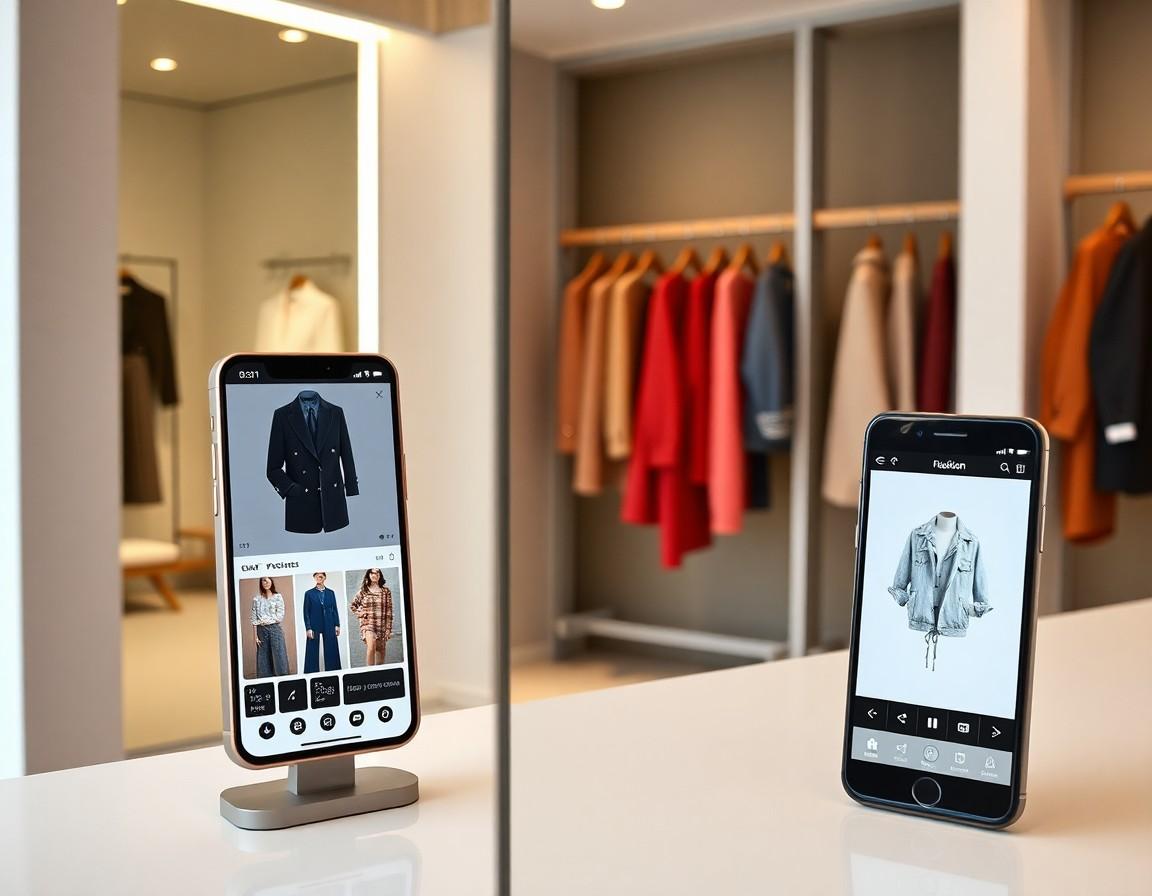
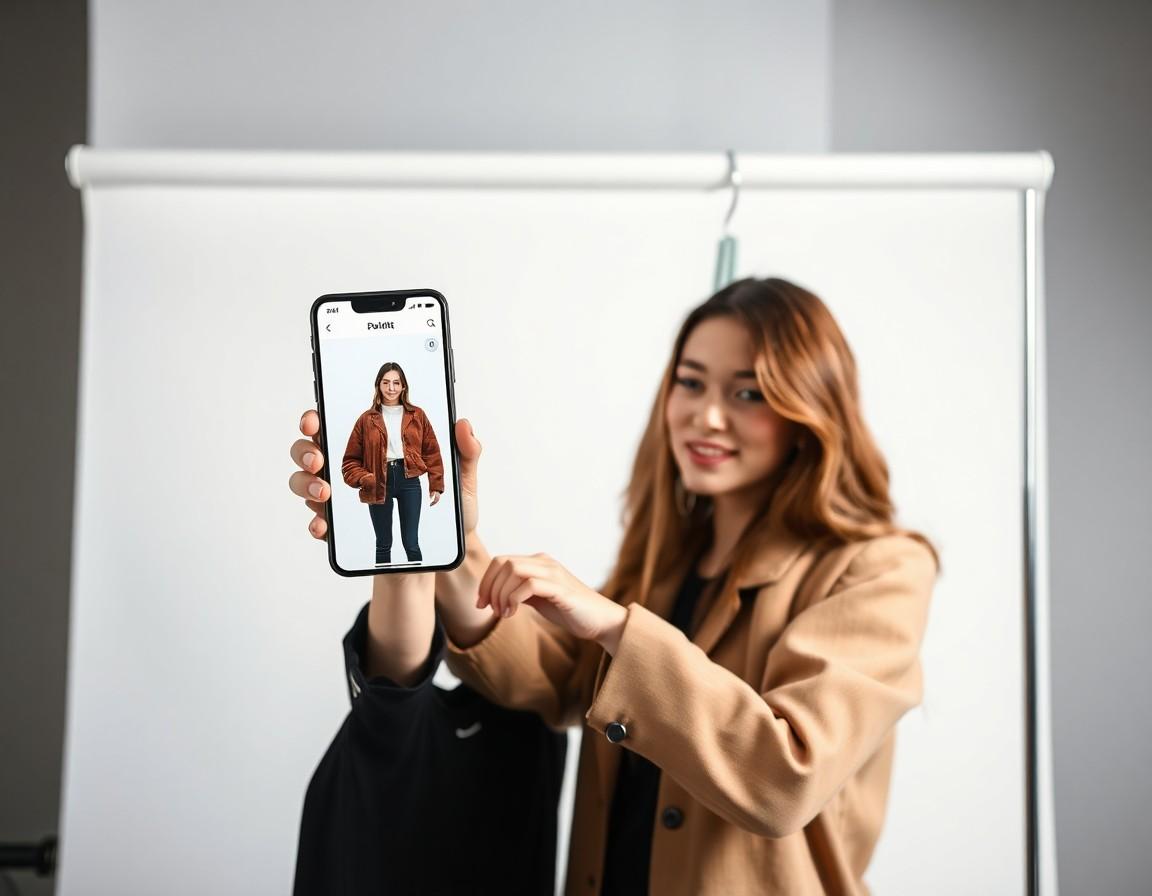
We build TRYSHOP around exactly this philosophy: previews are a helpful visualization, not a perfect measurement tool, and we say so right in the app. Every generation shows you a realistic picture of how an item could look on you, so you can browse top brands and shortlist with confidence — then confirm sizing on the brand's own chart before checkout. Set expectations right, and AI try-on is the most useful shopping tool to come along in years.