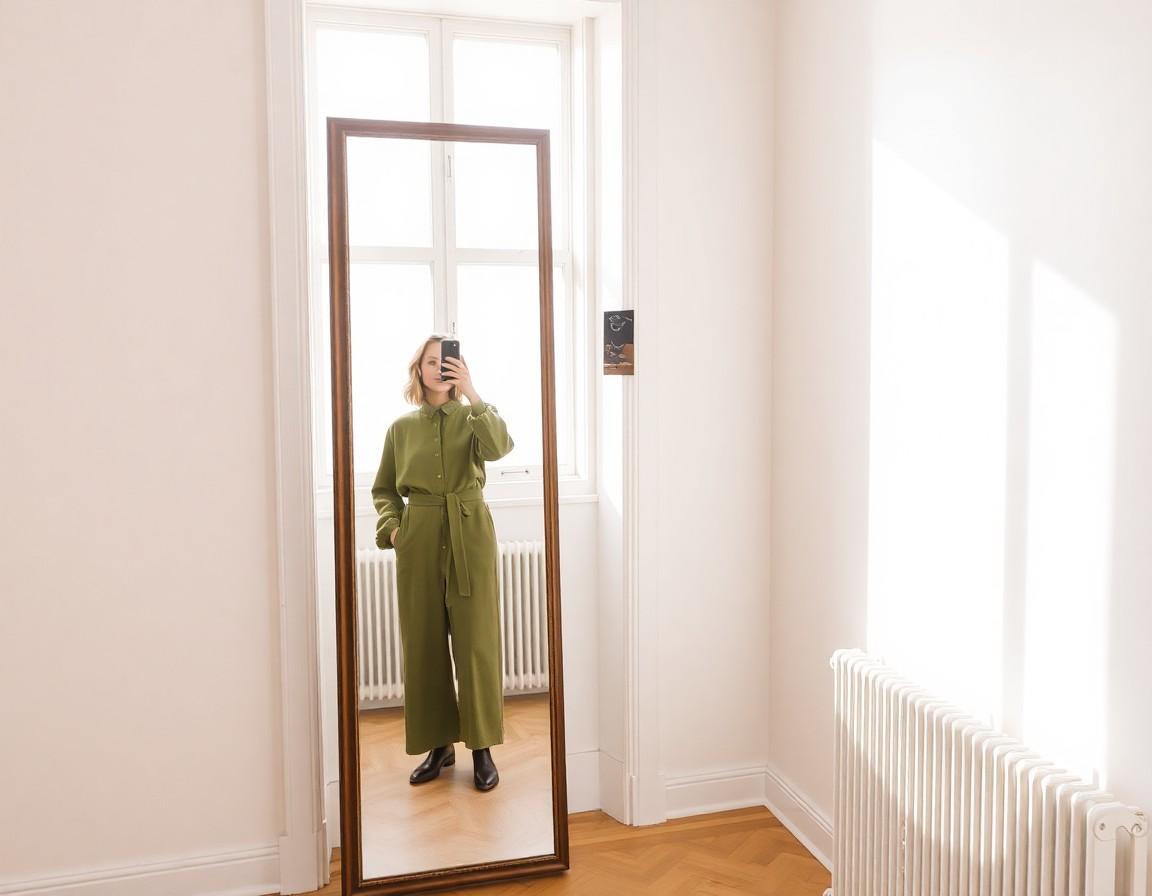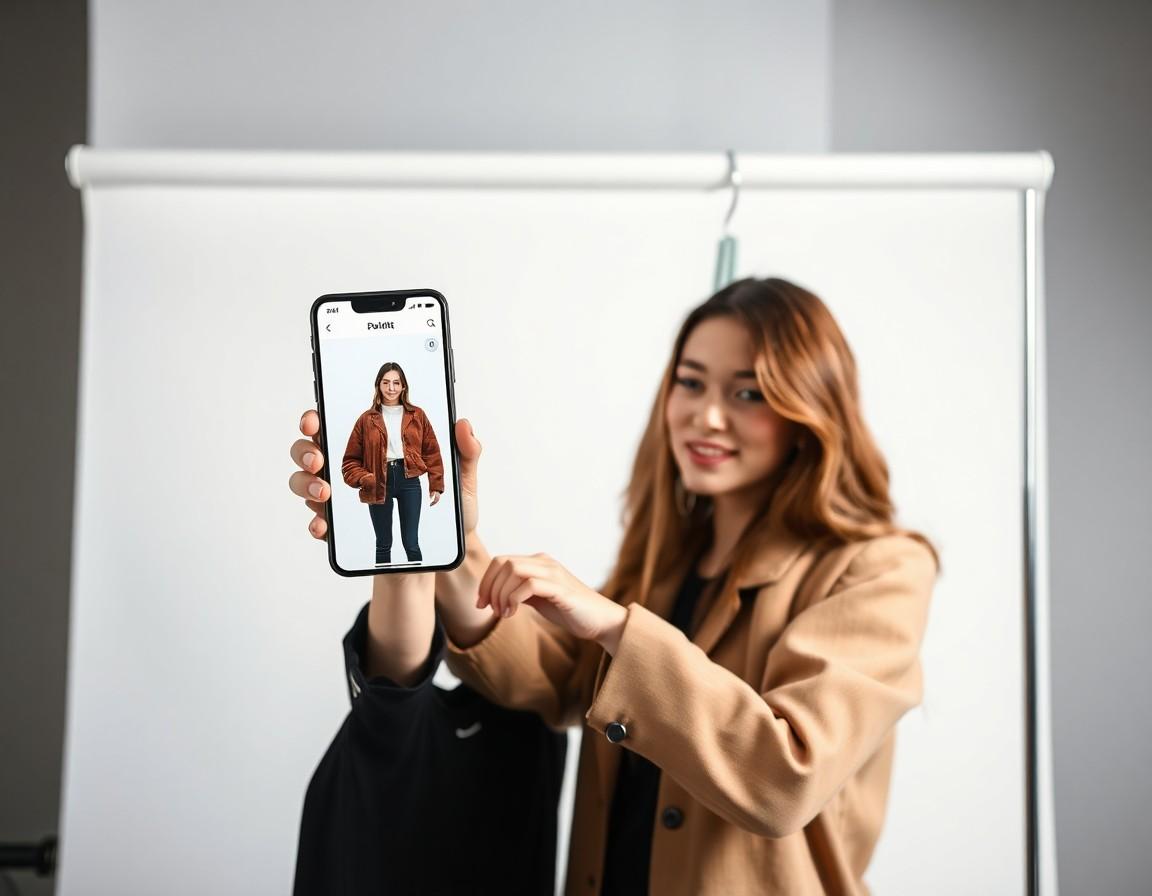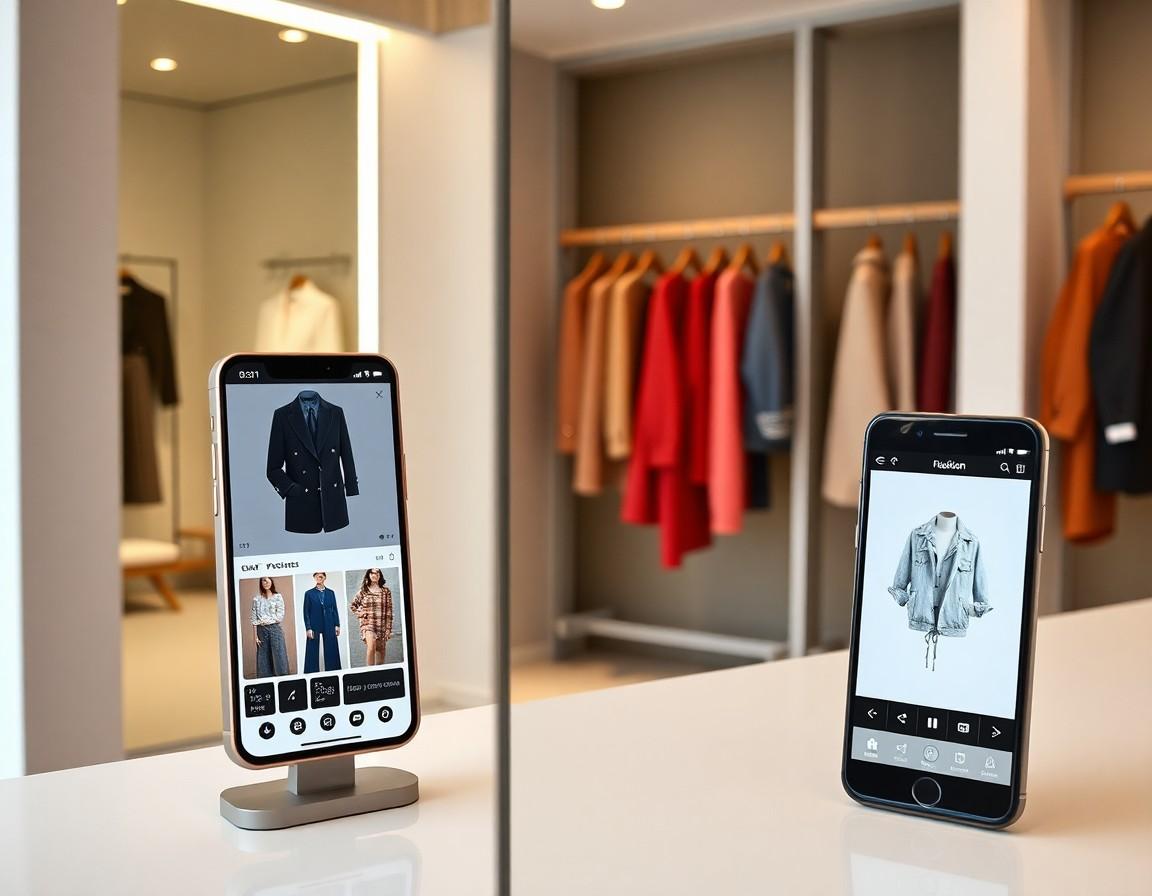
The fitting room has been fashion's decision-making tool for a century: step in, slip it on, look in the mirror, decide. Virtual try-on is the new arrival — preview a garment on a photo of yourself before anything ships. People tend to frame these as rivals, as if one has to win. They don't. They answer different questions, and the smartest shoppers use both. Here's an honest head-to-head so you know which to reach for, and when.
What each one is actually for
A fitting room lets you experience a garment with your whole body: the weight of the fabric, how it moves when you raise your arms, whether the waistband digs in when you sit. Virtual try-on answers a different question — how something looks on you — by generating a realistic image of you wearing it. One is a physical test. The other is a visual preview. Confuse the two and you'll be disappointed by both; respect the difference and each becomes genuinely useful.
Where fitting rooms win
Nothing beats putting on the real thing. A fitting room gives you the truth about fit and feel that no image can fully capture:
- Real fabric. Scratchy wool, clingy jersey, stiff denim — texture against your skin is something you can only feel in person.
- True fit.Whether a size medium actually buttons, whether the shoulders pull, whether the rise is right — the garment either fits your body or it doesn't.
- Movement. Clothes are worn in motion. Sitting, reaching, walking — a fitting room shows you how it behaves, not just how it hangs.
- Exact color and finish. In-person light reveals the real shade, sheen, and any quality issues a photo can hide.
If you're buying something fit-critical — a tailored suit, stiff denim, anything you'll wear for years — the fitting room is still the gold standard.
Where virtual try-on wins
What the fitting room can never give you is speed, range, and zero travel. There's no drive, no parking, no queue for a stall, no re-dressing between options. You can preview a dozen items in the time it takes to try one on, and you can do it from your sofa at midnight. The selection is effectively unlimited — you're not stuck with what one store happens to stock in your size, and you can compare pieces from different brands side by side.
It also lowers the cost of curiosity. Reaching for a bold color or a silhouette you'd never carry to a physical fitting room costs nothing, so you experiment more and discover styles you would otherwise have walked past.
The honest limitations of each
Fitting rooms cost time and effort, they're limited to local inventory, and trying on twenty things in fluorescent light is nobody's idea of fun. Virtual try-on, for its part, is a visualization tool, not a measurement tool. It shows you how an outfit could look, but it won't tell you whether a medium will pinch at the shoulders, and its results depend on the photo you start from. Neither tool is perfect. The point isn't to crown a winner — it's to know what each one can and can't promise.
They're complementary, not rivals
The most efficient way to shop uses both in sequence. Start with virtual try-on to do the wide, fast filtering — narrow forty options down to the three that genuinely suit your coloring and frame. Then, if a piece is fit-critical and a store is nearby, go try those finalists on for real. You get the breadth and convenience of digital preview and the certainty of physical fit, without wasting an afternoon trying on things that were never going to work.
Which should you use, and when?
Reach for the fitting roomwhen fit is non-negotiable, when fabric feel matters, or when it's a major purchase you want to be certain about. Reach for virtual try-onwhen you're shopping online anyway, when you want to compare lots of options quickly, when you want to see how a color or cut reads on yourather than a model, or when there's simply no store within reach. Most real-world shopping is a blend — and that's exactly how it should be.
Bringing the fitting room to your phone
TRYSHOP handles the first half of that workflow. Browse catalogs from top brands, preview any item on your own photo, and save the looks worth a closer look — so by the time you order or head to a store, you're only considering the pieces that already suit you. It won't replace slipping on a tailored jacket, and it doesn't pretend to. It just spares you the dozen that never stood a chance.