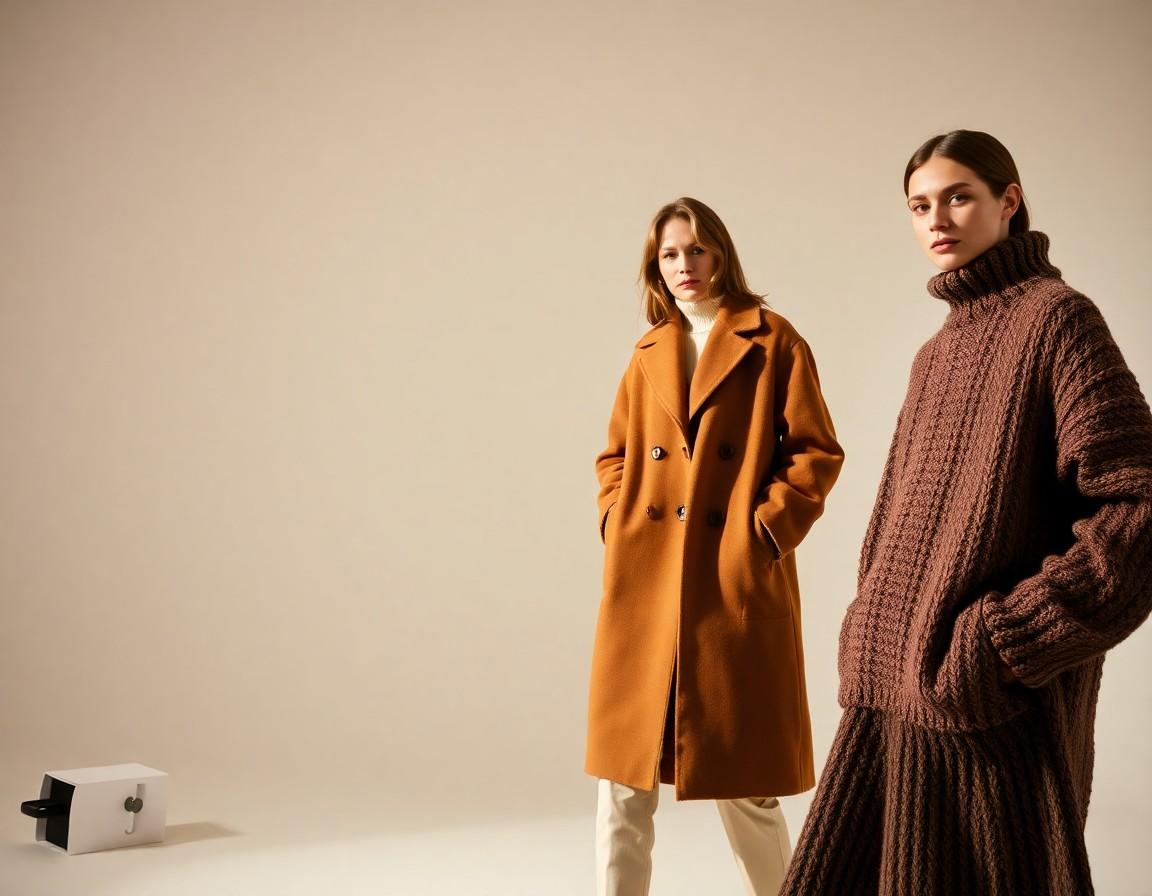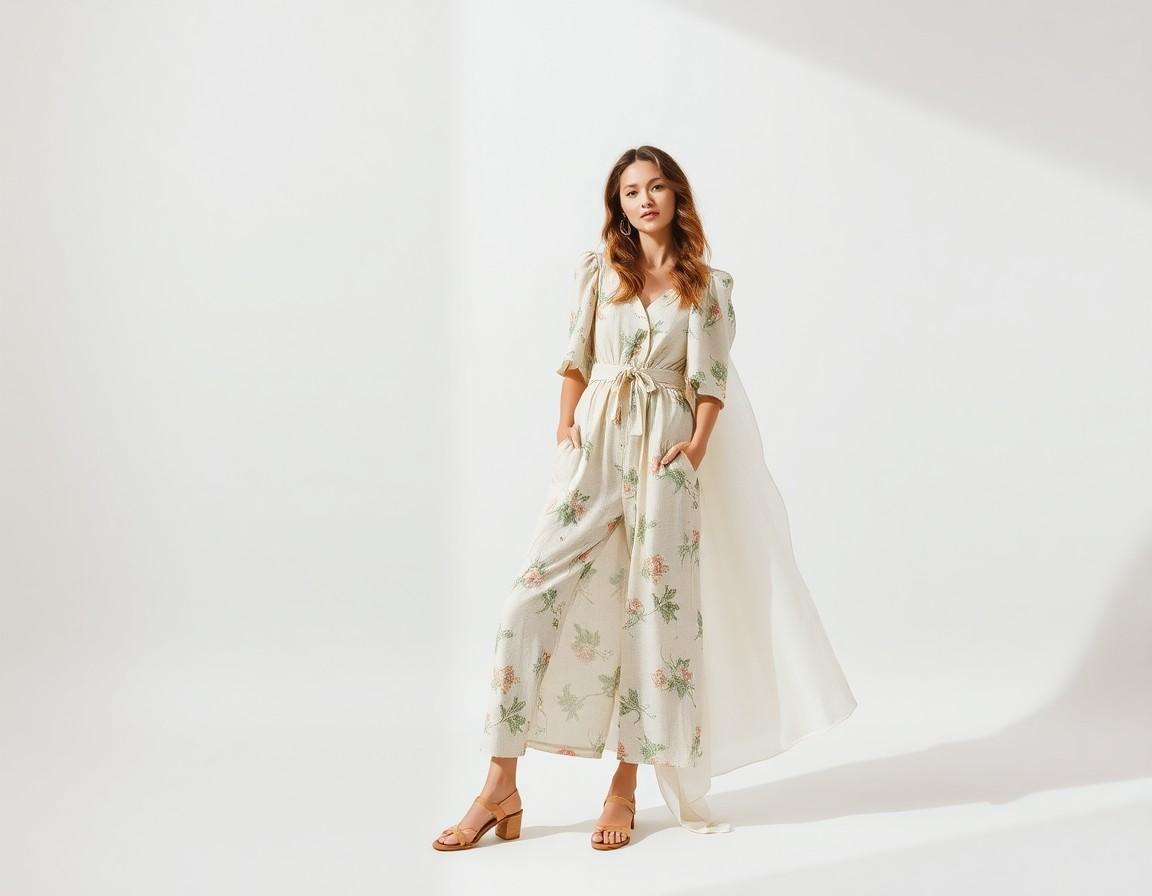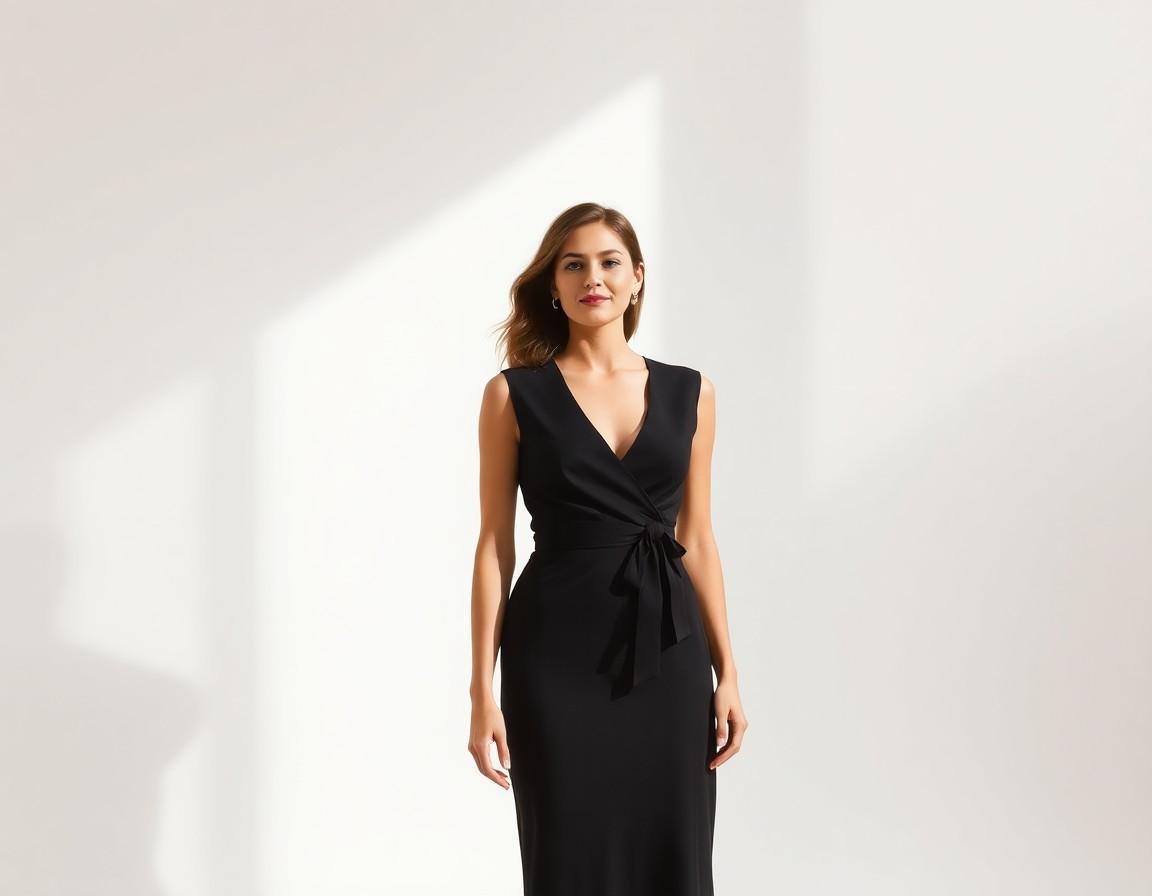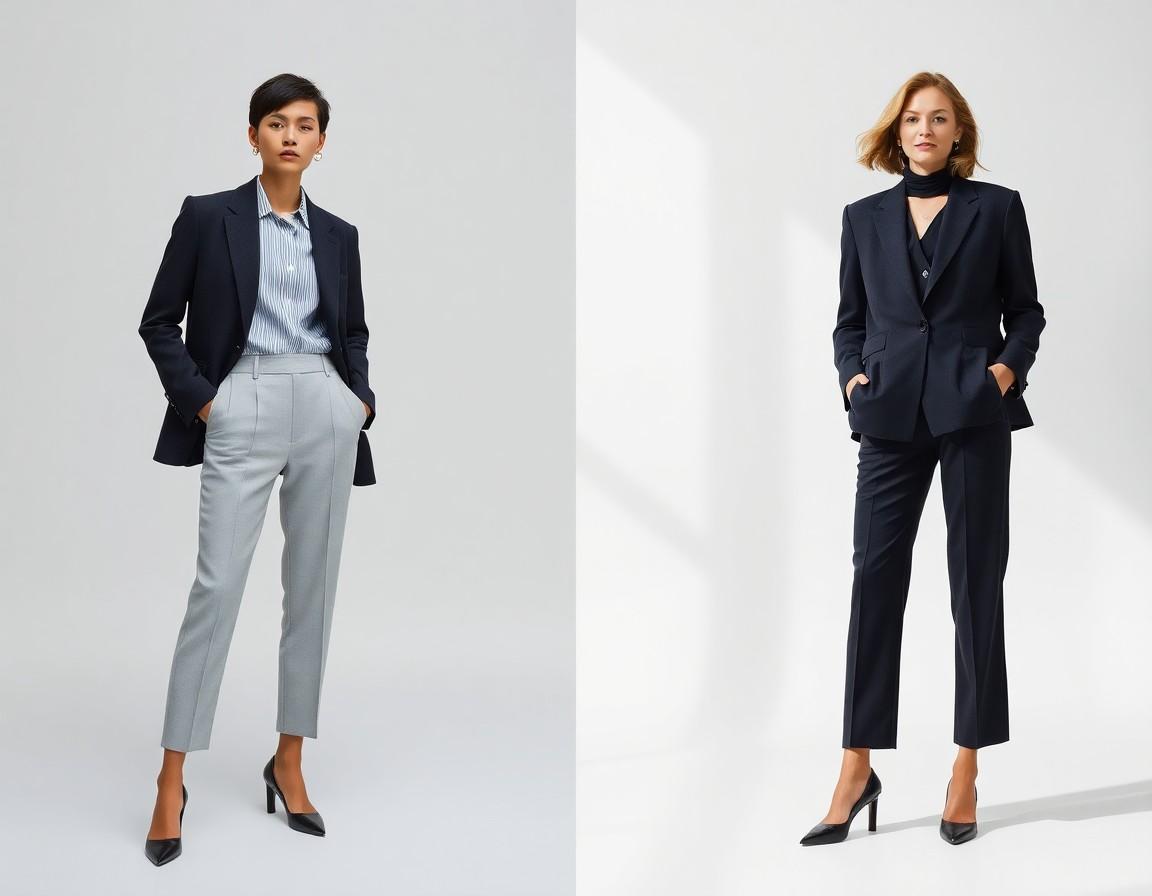
You have a meeting at 10 and dinner at 8, and no realistic window to go home and change in between. This is the day-to-night problem, and most of us solve it badly — either we dress too formal and feel stiff all evening, or too casual and feel underdressed the moment the restaurant lights dim. The good news is that the fix isn't a second outfit. It's one well-chosen outfit that quietly shifts register when you swap a layer or two.
Why one outfit normally can't do both
Office dressing and evening dressing pull in opposite directions. The office rewards structure, neutral colors, and restraint — clothes that fade into the background so your work doesn't. Evening rewards the opposite: a bit of shine, a deeper or bolder color, some skin, a sense that you made an effort. Ask a single look to satisfy both and it usually splits the difference and pleases neither.
The trick is to stop thinking of it as one outfit and start thinking of it as a base plus a switch. The base stays put all day. The switch — a jacket you remove, a shoe you change, a piece of jewelry you add — is what carries you from one mood to the other. Build around that and the day-to-night problem mostly disappears.
Start with an anchor piece that flexes
A transitional outfit lives or dies on its anchor — the one garment you wear all day that can read either way depending on what surrounds it. The best anchors are simple in shape and rich in fabric, because simplicity goes anywhere and good fabric does the dressing-up for you. A few that earn their place:
- A column dress in a solid color.Under a blazer it's a boardroom; with the blazer off and a heel on, it's dinner.
- Tailored trousers in a fluid fabric. Crisp with a shirt, sultry with a silk camisole later.
- A fine-knit top in black, ivory, or deep green. Neutral enough for work, sleek enough to dress up after dark.
- A midi skirt with a bit of drape. Reads professional with a tucked knit, romantic with a looser top.
Notice what these have in common: none of them announce themselves. They're quiet on their own, which is exactly why they accept a costume change so easily.
The layer swap does most of the work
If you change only one thing between day and night, make it the layer. A structured blazer is the workhorse of office dressing — it squares your shoulders and signals you mean business. Take it off and the same base outfit instantly relaxes and shows more shape. That single move covers a huge amount of ground.
To go the other way — to actively dress up for the evening rather than just down — swap the blazer for something with a little drama: a leather or suede jacket, a draped cardigan in a luxe knit, a sequined or satin topper you can fold into your bag. The base stays identical; only the outermost layer changes the entire conversation.
Let accessories carry the mood
Accessories are the cheapest, lightest way to move between registers, and they take up almost no space in a bag. Shoes do the heaviest lifting: trade a loafer or block heel for a strappy sandal or a sharper stiletto and the whole outfit lifts onto its toes. After that, it's jewelry — swap a subtle stud for a statement earring, add a cuff, and let a little shine catch the evening light.
Two more small switches punch above their weight. Change your bag from a structured work tote to a compact clutch or crossbody, and redo your lip in a deeper shade. None of these is dramatic on its own, but stacked together they read as a deliberate evening look rather than office leftovers.
Build a tiny “evening kit”
The whole strategy collapses if you have to schlep a duffel to work. The point of transitional dressing is that the switch is small enough to live in your everyday bag. Aim for a kit that fits in a tote: packable heels, a clutch that folds flat, one pair of statement earrings, and a bold lip. That's it. With those four things you can transform almost any base outfit in the time it takes to find a mirror in the office bathroom.
Keep the kit semi-permanent so you're never assembling it under pressure. When the same four items live in your bag by default, saying yes to last-minute plans costs you nothing.
Color and fabric are the quiet signals
Beyond layers and accessories, two subtle levers tell people whether you're in work mode or off the clock. The first is fabric: matte cotton, wool, and crepe read daytime; anything with a sheen — satin, silk, a touch of sequin — reads night. Choosing a base in a fabric that leans slightly luxe means it can tip toward evening without you changing a thing.
The second is color depth. Daytime tends to favor mid-tones and softer neutrals; evening absorbs deeper, richer, or higher-contrast colors more comfortably. A base in a deep, saturated shade — burgundy, navy, forest, true black — is already halfway to evening and just needs the accessories to finish the thought.
Preview both versions before you commit
Here's the catch with transitional dressing: a look that flexes beautifully on paper can fall apart on you. The blazer that seems interchangeable might swamp your frame; the “evening” jacket might clash with the dress underneath; the heel that elevates one outfit might fight another. You really want to see both the day version and the night version on yourselfbefore you buy a single piece — and that's exactly what virtual try-on makes easy.
This is where TRYSHOP fits in. You can preview the same base piece two ways on your own photo — with the blazer and without, with the loafer and with the heel — and see whether the transition actually holds together on yourbody before anything ships. Treat it as a visualization, not a tape measure: it won't promise the fit is perfect, but it answers the question that matters most here — does this one outfit really carry me from desk to dinner?