The invitation arrives, you're thrilled — and then you read the small print. “Black tie optional.” “Garden formal.” “Festive cocktail.” Suddenly a happy occasion turns into a styling puzzle. What does that dress code actually mean? Will you be overdressed or underdressed? And, quietly nagging at the back of your mind: didn't you wear something similar to the last wedding? This guide untangles the dress codes, and gives you an honest way to commit to a look with confidence.
Decode the dress code first
Almost all wedding-outfit stress traces back to one thing: uncertainty about the formality level. The line on the invitation is your single most important clue, so start there before you even think about color or cut. Here's what the common phrases really ask of you:
- Black tie: the most formal. Floor-length gowns or elegant midi dresses; for men, a tuxedo or at minimum a sharp dark suit with a tie.
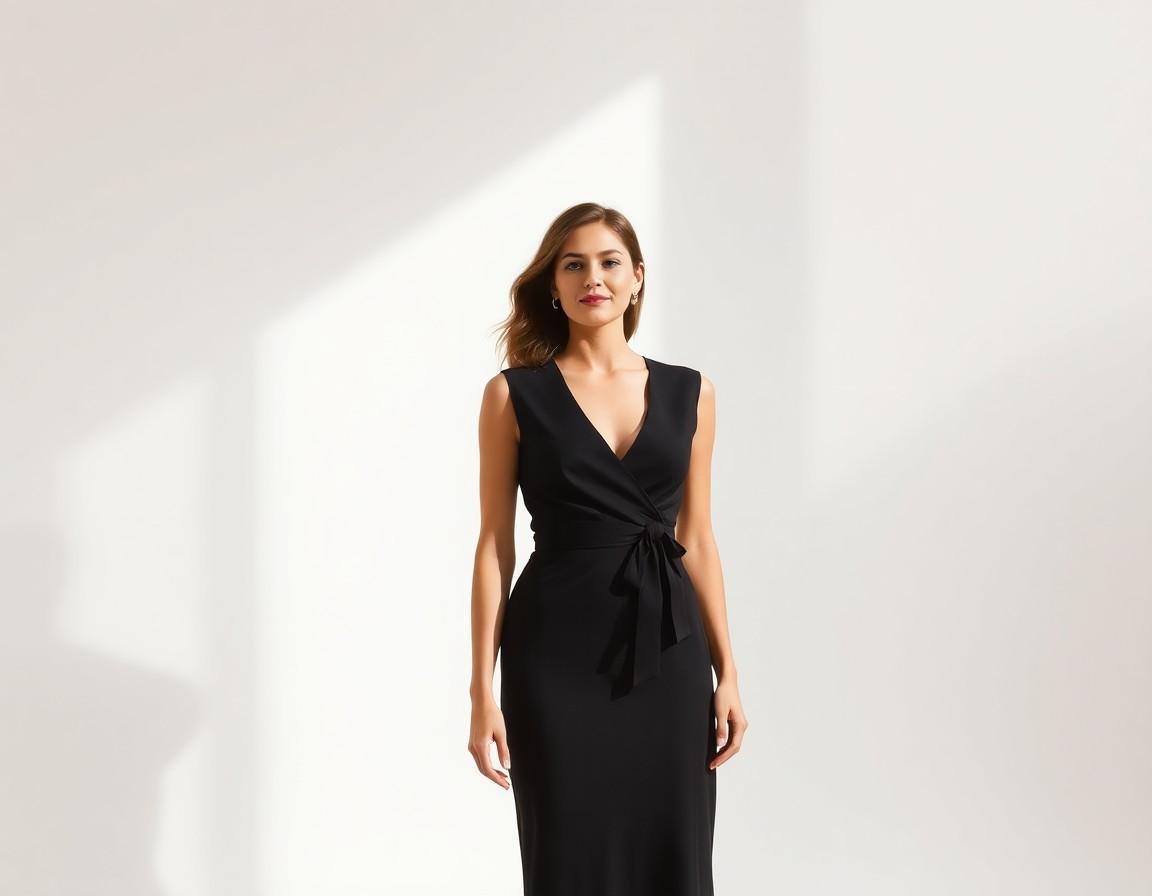
- Black tie optional / formal: a half-step down. A dark suit reads perfectly here, as does a long or dressy cocktail dress.
- Cocktail: the most common and most flexible. Knee- to midi-length dresses, a tailored suit, or smart separates.
- Semi-formal / dressy casual: polished but relaxed — a midi dress, a blazer with nice trousers, no jeans.
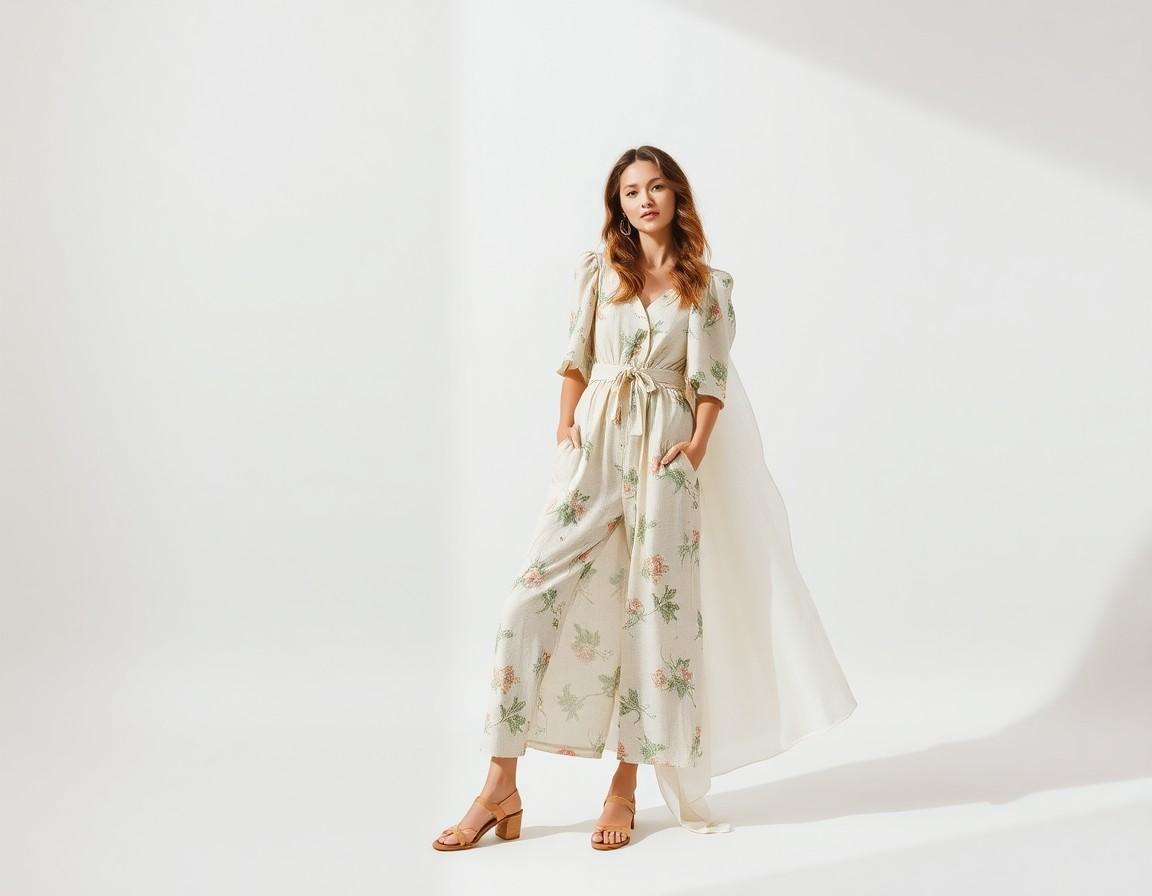
- Garden / beach formal: dressy with practical fabrics and footwear; think flowing fabrics and block heels, not stilettos that sink into the lawn.
When in doubt, it is almost always safer to lean slightly more formal. Being a touch overdressed at a wedding reads as respectful; being underdressed is the version you'll remember in the photos.
Read the room, season, and venue
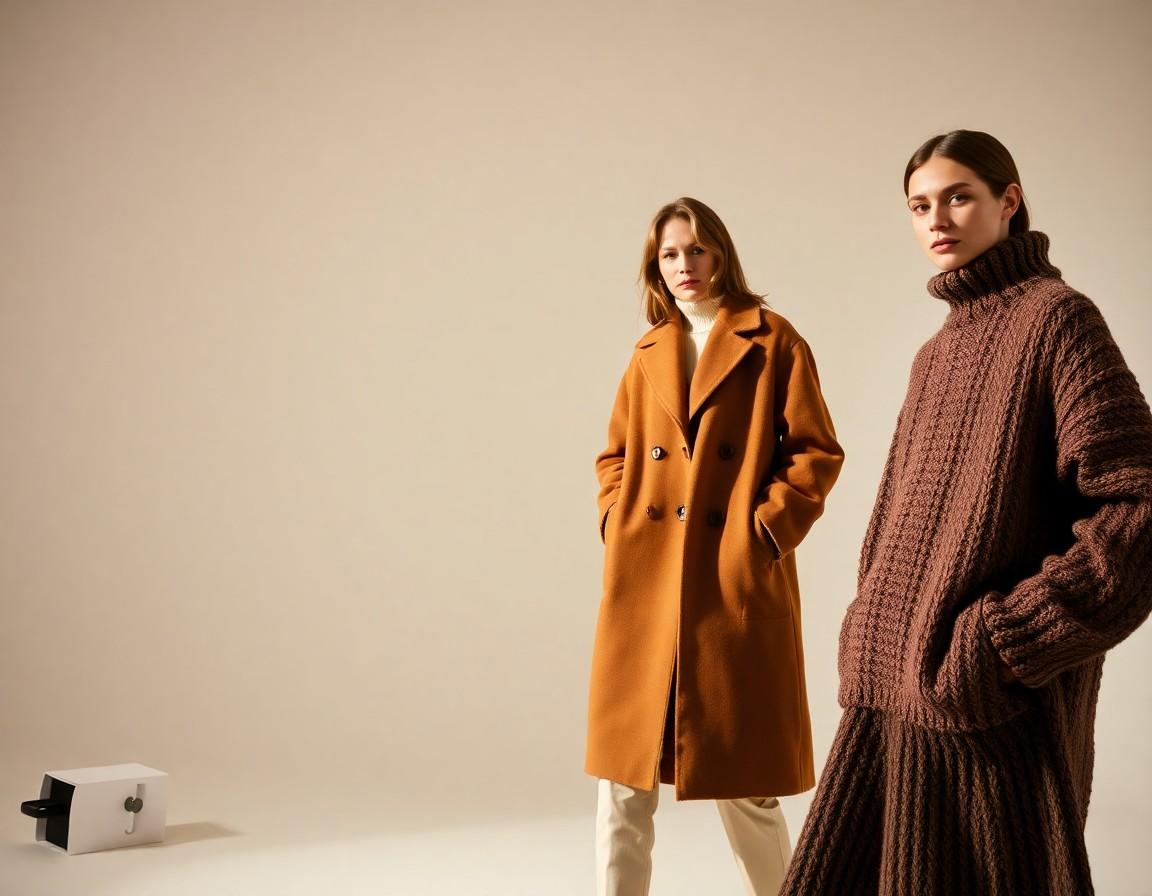
The dress code sets the floor, but the details set the tone. A ceremony in a cathedral asks for more coverage than a vineyard at sunset. A January wedding wants richer fabrics and deeper colors; a July one wants linen, lighter weaves, and breathable layers. Notice the time of day too — daytime events tend to be lighter and softer, while evening receptions invite a bit more drama and shine.
One enduring rule survives all of this: don't wear white, ivory, or anything that could read as bridal in a photo, and tread carefully with all-black or all-red unless the couple's style clearly welcomes it. Beyond that, the venue and season are your best guides to whether a look will feel right on the day.
The “not again” problem
If you go to a few weddings a year, you know the particular dread of re-wearing the same outfit in front of the same circle of friends — and worse, having it documented forever in someone else's feed. You don't need a brand-new dress for every celebration, but you do need a system. The easiest fix is to build outfits around interchangeable parts: one dress can feel completely different with a new blazer, a different shoe, or a swapped-out clutch and earrings.
Photographing your past wedding looks — or just keeping a mental note — also helps you avoid repeats without buying on impulse. The goal isn't endless newness; it's variety that looks intentional.
Build around a few reliable formulas
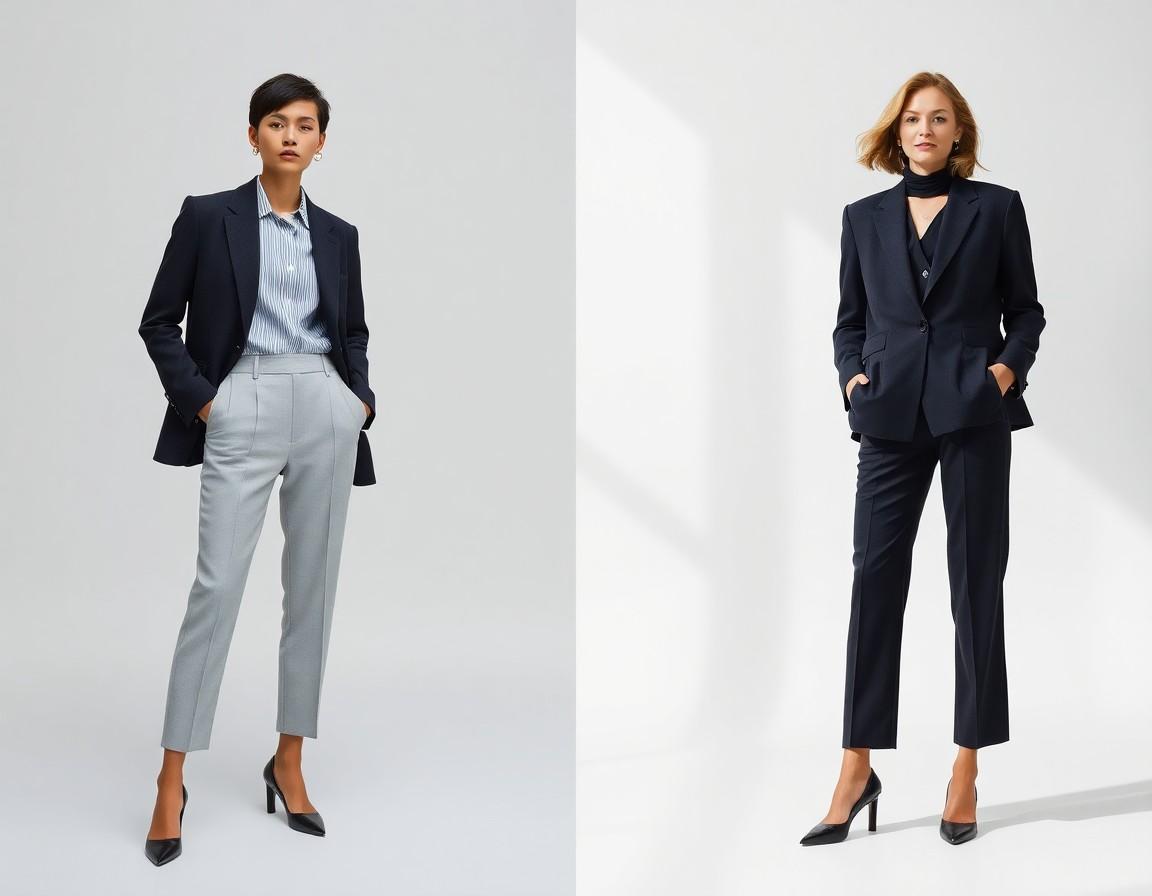
You don't have to reinvent your style for every invitation. A handful of dependable formulas will carry you through almost any dress code. A midi dress in a jewel tone with metallic heels handles most cocktail and semi-formal events effortlessly. A well-cut suit — in navy, deep green, or a soft neutral — reads formal or relaxed depending on the shirt and shoes you pair with it. Tailored separates, like a satin skirt with a fitted top, let you mix and match across several occasions from a small set of pieces.
The accessories do a surprising amount of the work. A statement earring, a structured clutch, or a bold shoe can lift the same base outfit from daytime ceremony to evening dancing without anyone noticing it's the same foundation.
Where the doubt actually lives
Here's the honest truth about wedding dressing: most of the anxiety isn't about whether an outfit is nice in the abstract — it's about whether it's nice on you. A color that's gorgeous on the hanger can wash you out. A silhouette that looks effortless on a model can sit awkwardly on your frame. A length that's flattering on a 5'10" model can read differently at your height. Product photos answer none of this, which is why so many people buy three options, keep one, and return the rest in a stressful pre-wedding scramble.
Preview your options before you commit
The most reassuring thing you can do is see the look on yourself before the day — ideally before you buy. Trying on physically is the gold standard, but it's rarely practical when you're comparing pieces from several online stores under time pressure. This is exactly where a virtual try-on helps: you upload a photo of yourself and preview how a dress, suit, or set looks on your own body, so you can compare a few contenders side by side instead of guessing from a catalog model.
Be realistic about what it does. A virtual try-on is a visualization, not a measurement tool— it helps you judge color against your skin tone, length against your frame, and whether a silhouette feels like you. For fit and sizing you'll still want the brand's size guide, and ideally a real fitting close to the date. But for narrowing five maybes down to one confident yes, previewing on yourself beats imagination every time.
Try your wedding looks on with TRYSHOP
TRYSHOP lets you browse pieces from top brands and preview them on your own photo, so you can test a few dress-code-appropriate options before the big day and commit to the one that genuinely suits you. It won't replace a final fitting, but it takes a lot of the guesswork — and the stressful return cycle — out of getting dressed for someone else's celebration.