When you see a realistic preview of yourself wearing a jacket you've never touched, it can feel like magic. It isn't — it's the result of about a decade of steady progress in computer vision and image generation. The story runs from crude stickers, through clever geometric tricks, to today's generative models. Here's the plain-English version of how AI try-on got good, and why even the best version still guesses in places.
Generation one: the sticker overlay
The earliest “virtual try-on” was barely AI at all. A tool would take a flat photo of a garment, cut it out, and paste it on top of your photo — like slapping a sticker on a window. If you stood perfectly straight, in the exact pose the product was shot in, it could look passable. Move an arm, turn slightly, or wear a body shaped differently from the catalogue model, and the illusion collapsed. The shirt floated in front of you instead of wrapping around you.
The core problem was that the software had no idea what it was looking at. It didn't know where your shoulders were, which way you were facing, or that fabric is supposed to fold. It was moving pixels, not understanding bodies. To do better, machines first had to learn to see a person.
Generation two: pose estimation and warping
The next leap came from pose estimation — computer vision that detects the key points of a human body in a photo: shoulders, elbows, hips, knees. Suddenly software had a skeleton to work with. It could tell that your left shoulder sat here and your waist sat there, which meant it finally had a map of where clothing should go.
With that map, engineers added a second trick: image warping. Instead of pasting a flat garment, the system would stretch and bend the product image to follow your detected pose, then blend it onto your body. A sleeve could curve along your actual arm; a hemline could tilt to match how you were standing. Earlier deep-learning systems combined a warping step with a network that tried to clean up the seams afterwards.
This was a huge improvement, and for a while it was the state of the art. But warping has a ceiling. You're still deforming the original flat photo, so it struggles when the garment needs to do something the source image never showed — a jacket opening at the front, fabric bunching at a bent elbow, or a pattern continuing around the side of your body. Stretch a 2D picture far enough and it smears.
Generation three: generative diffusion models
The current generation throws out the “move the existing pixels” mindset entirely. Modern try-on is built on generative AI, and most of the best results today come from a family of models called diffusion models — the same broad technology behind the AI image generators you've probably seen elsewhere.
A diffusion model is trained by taking millions of real images, adding random noise until they become static, and learning to reverse the process — to turn noise back into a coherent picture. Do that enough times and the model internalizes what people, clothing, fabric, and light actually look like. For try-on, the model is then guided by your photo and the garment image, and asked to generate a brand-new image of you wearing that item, rather than collaging one together.
Why generative try-on looks so realistic
The reason the latest previews look like real photographs comes down to one shift: the model isn't copying the garment, it's redrawing it on you. Because it has learned from so many real images, it can render details that no flat product photo contained. A few things it now handles that warping never could:
- Drape and folds. It knows fabric gathers at a bent elbow and pools at a cuff, so the cloth behaves like cloth.
- Lighting that matches your photo. A shirt shot in a studio is re-lit to fit the soft window light in your selfie, instead of glowing out of place.
- Body-aware fit. The same blazer is rendered differently on broad shoulders than on narrow ones, following your actual proportions.
- Occlusion and layering. It understands that your arm passes in front of your torso, so sleeves and hems tuck in the right order.
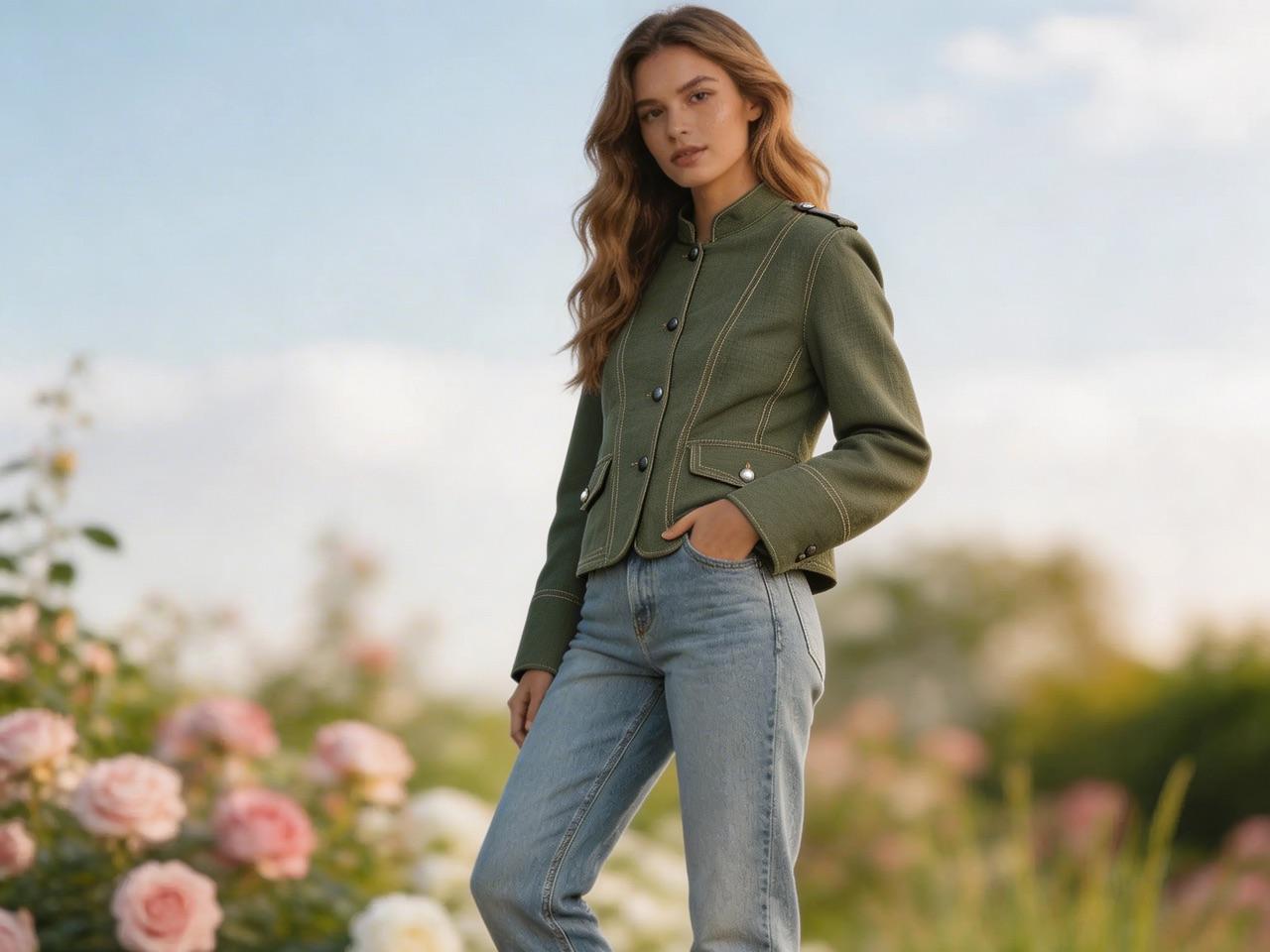
Put together, these turn a preview from “a picture with clothing stuck on it” into “a plausible photo of you in that outfit.”
Where it still guesses
Here's the honest part, and it follows directly from how the technology works. A generative model produces the most plausible image, not a measured one. When information is missing from your photo or the product shot, the model fills the gap with its best guess — and a confident guess can still be wrong.
That means the back of a garment may be invented if it was never photographed. Tiny details — a specific button, an exact logo placement, fine print on a graphic tee — can drift, because the model is reconstructing them rather than copying pixel for pixel. And crucially, the preview shows how a piece could look, not how a given size would actually fit. The AI has no idea whether a medium will pinch your shoulders; that's measurement, and try-on is visualization. For sizing, the brand's size guide is still your best friend.
Why your input photo matters so much
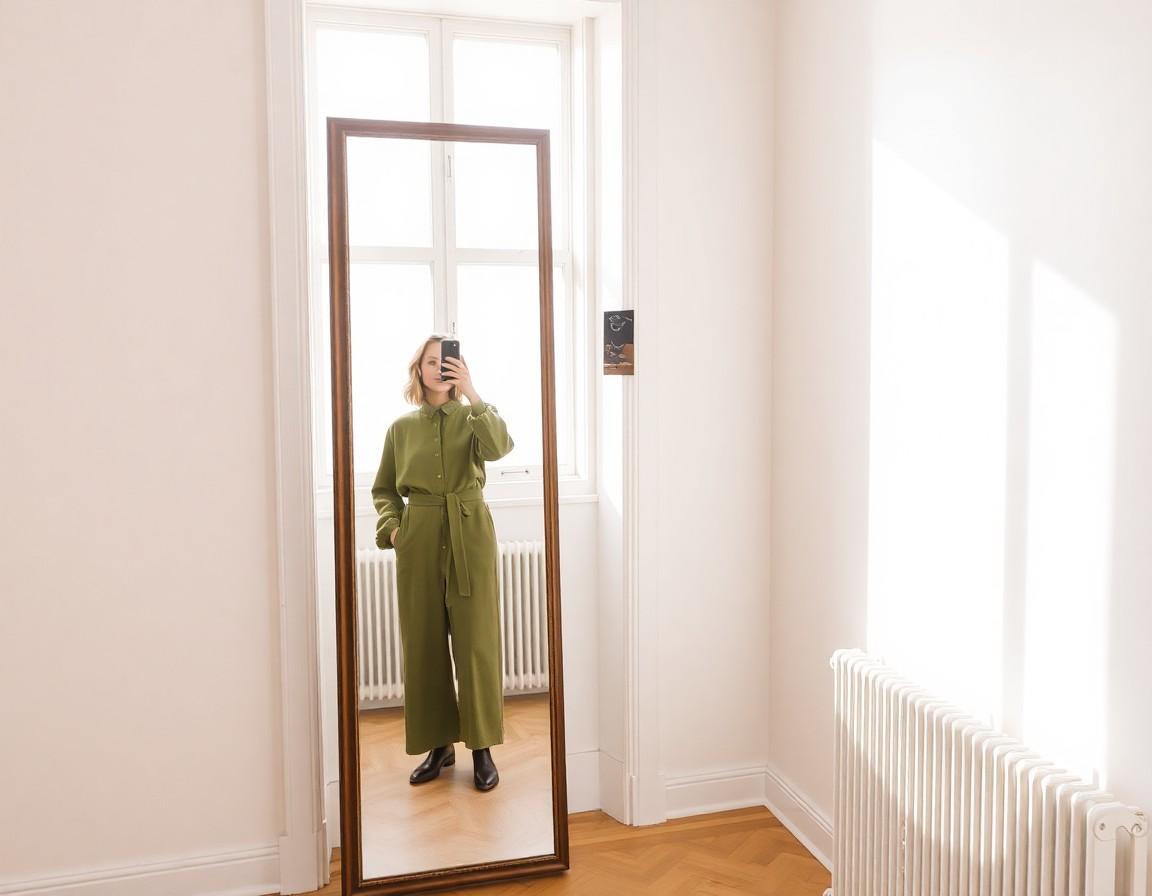
Because the model generates from what it can see, the quality of your starting photo sets the ceiling for the result. A sharp, evenly lit, front-facing photo with your full torso visible gives the model clear information to work with. A dim mirror selfie, a heavy filter, or a crop that cuts off your shoulders forces it to guess more — and more guessing means more drift. The same physics that make generative try-on impressive also make it sensitive to its inputs.
Where TRYSHOP fits in
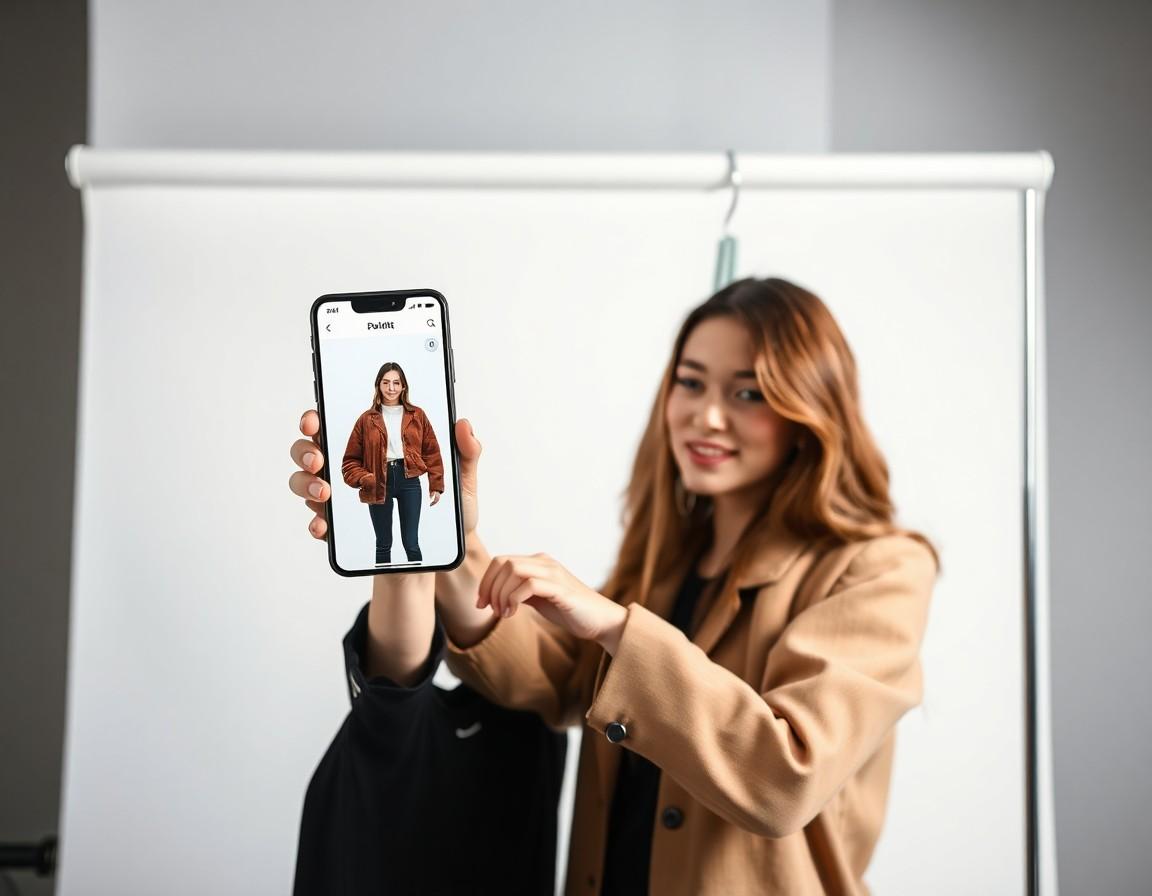
TRYSHOP is built on this generative approach — the third generation, not the sticker era. You pick one of your photos, choose an item from catalogues by top brands, and the app generates a realistic preview of you wearing it. We're upfront about the limits above: it's a fast, genuinely useful way to answer “does this suit me?” before you buy, and a helpful visualization rather than a perfect measurement tool.
The short version
Try-on went from pasting flat stickers, to warping garments onto a detected pose, to generative models that redraw clothing on your body from scratch. Each step traded brittle tricks for deeper understanding, which is why today's previews look photographic. And the same generative nature that makes them realistic is exactly why they still guess at hidden details and can never replace a size chart. Knowing that is what lets you read a preview for what it is — a remarkably good visualization.