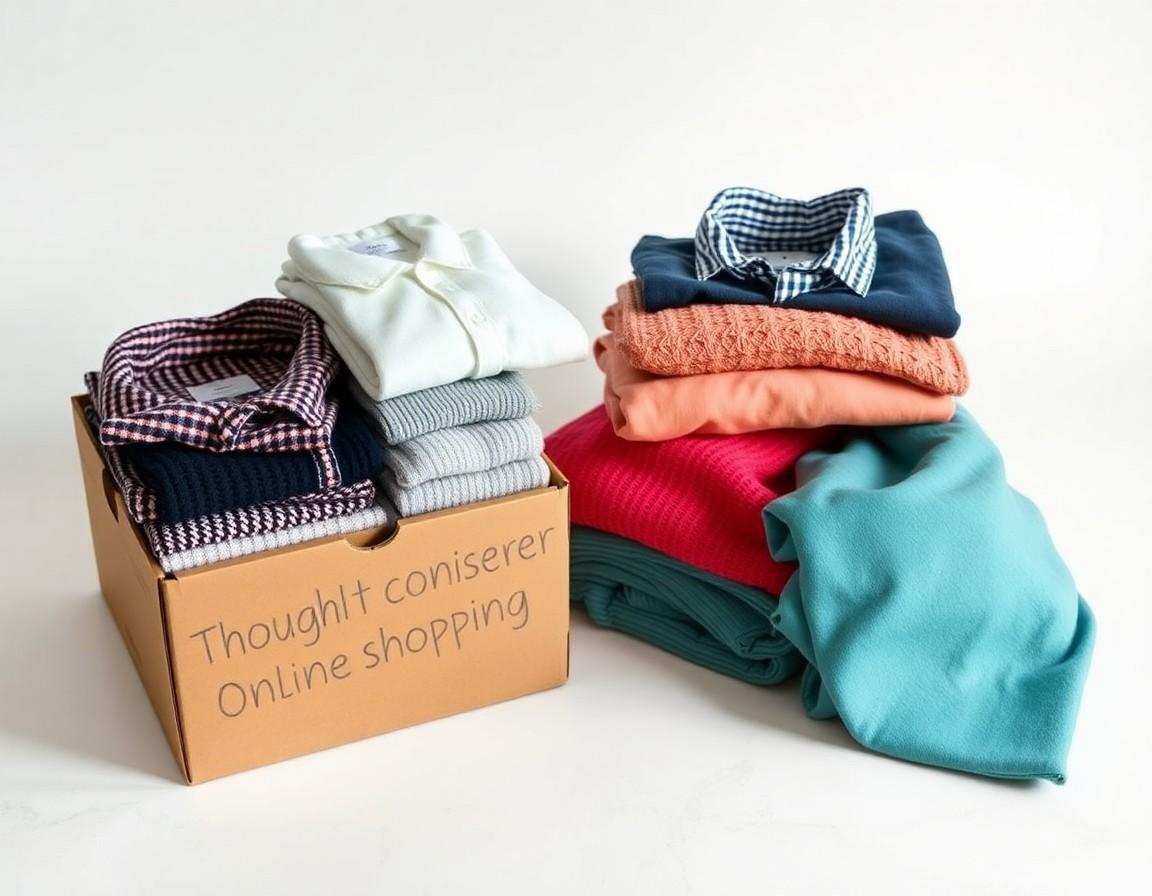
Almost everyone who shops online has a returns pile. The dress that looked nothing like the photo, the jeans that were a size off, the jacket you bought at midnight and regretted by breakfast. Returns feel free, but they cost you time, trips to the post office, and the slow drip of buyer's remorse — and they cost the planet a lot more. The good news: most returns are predictable, which means most of them are preventable. Here's how to cut your return rate without buying less of what you actually love.
Why we return clothes in the first place
Returns almost always trace back to a gap between what you expected and what arrived. Knowing the usual culprits is half the battle:
- It looked different in person. Studio lighting, a flattering model, and heavy editing make the online photo a best-case scenario, not a fair one.
- The fit was wrong.Sizes drift between brands, and a “medium” in one shop is a “large” in another. A guess at checkout is a coin flip.
- It didn't suit you.The color fought your skin tone, the length cut you off at an awkward spot, or the cut just wasn't your shape.
- It was an impulse buy. A flash sale, a free-returns banner, and a late-night scroll add up to purchases you never really wanted.
- You ordered multiples to be safe.Buying two sizes “just in case” guarantees at least one trip back to the depot.
Notice the pattern: nearly every reason is a decision made with too little information. Fix the information problem and the returns pile shrinks on its own.
The real cost of “free” returns
Free returns are rarely free. You pay in repackaging, queueing, and waiting weeks for a refund that ties up your money in the meantime. Retailers fold the cost of processing returns back into their prices, so everyone pays a little more. And the environmental bill is the heaviest of all — returned garments travel back across the country, get repackaged or, surprisingly often, sent straight to landfill because reprocessing them costs more than they're worth. Every return you avoid is a small win on all three fronts.
A pre-purchase checklist
Before you hit “buy,” run through a quick mental checklist. It takes thirty seconds and saves you the whole order-try-return loop:
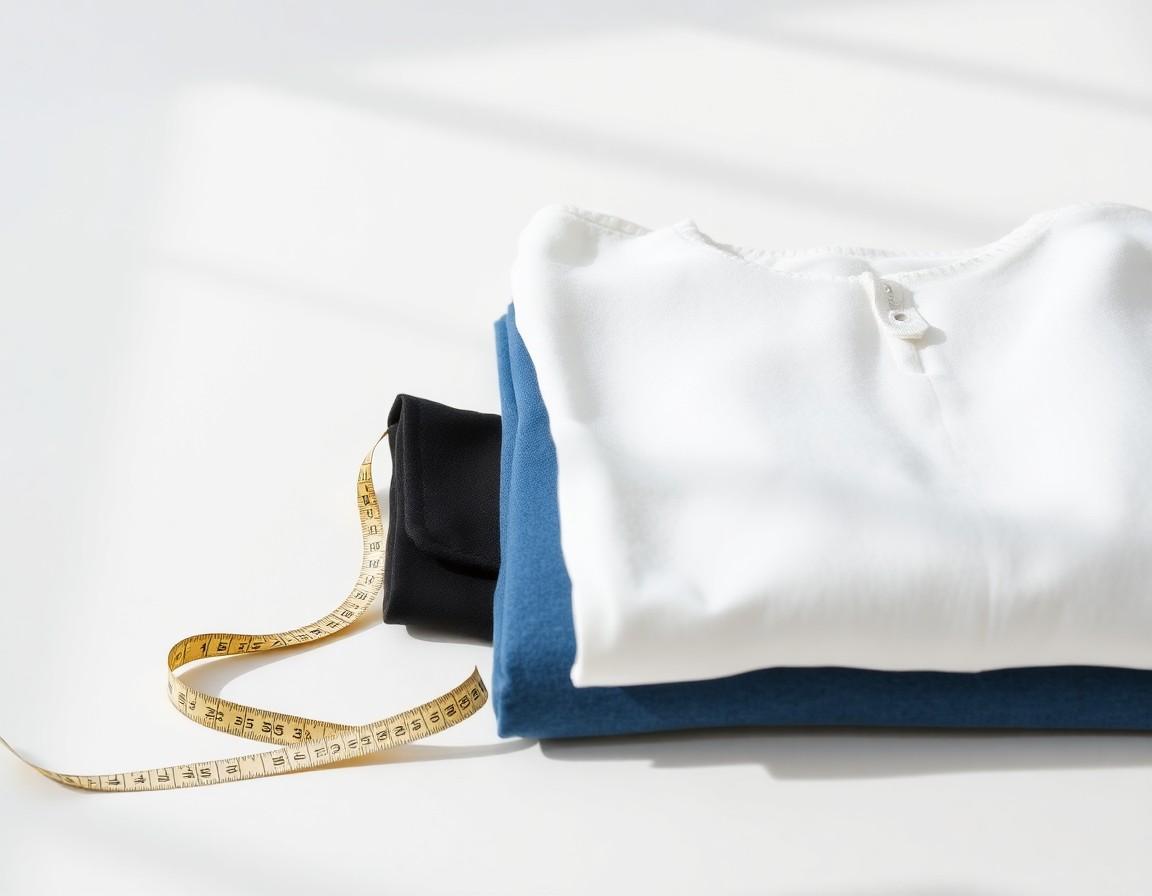
- Check the size guide, not just the size.Compare the brand's actual measurements against a garment you already own and love. A tape measure beats a hunch every time.
- Read the reviews for fit notes.Search for “runs small,” “sizing,” and your own body type. Real buyers flag what the product page won't.
- Look at the fabric and care details.Composition tells you whether something will stretch, cling, wrinkle, or need dry cleaning you won't bother with.
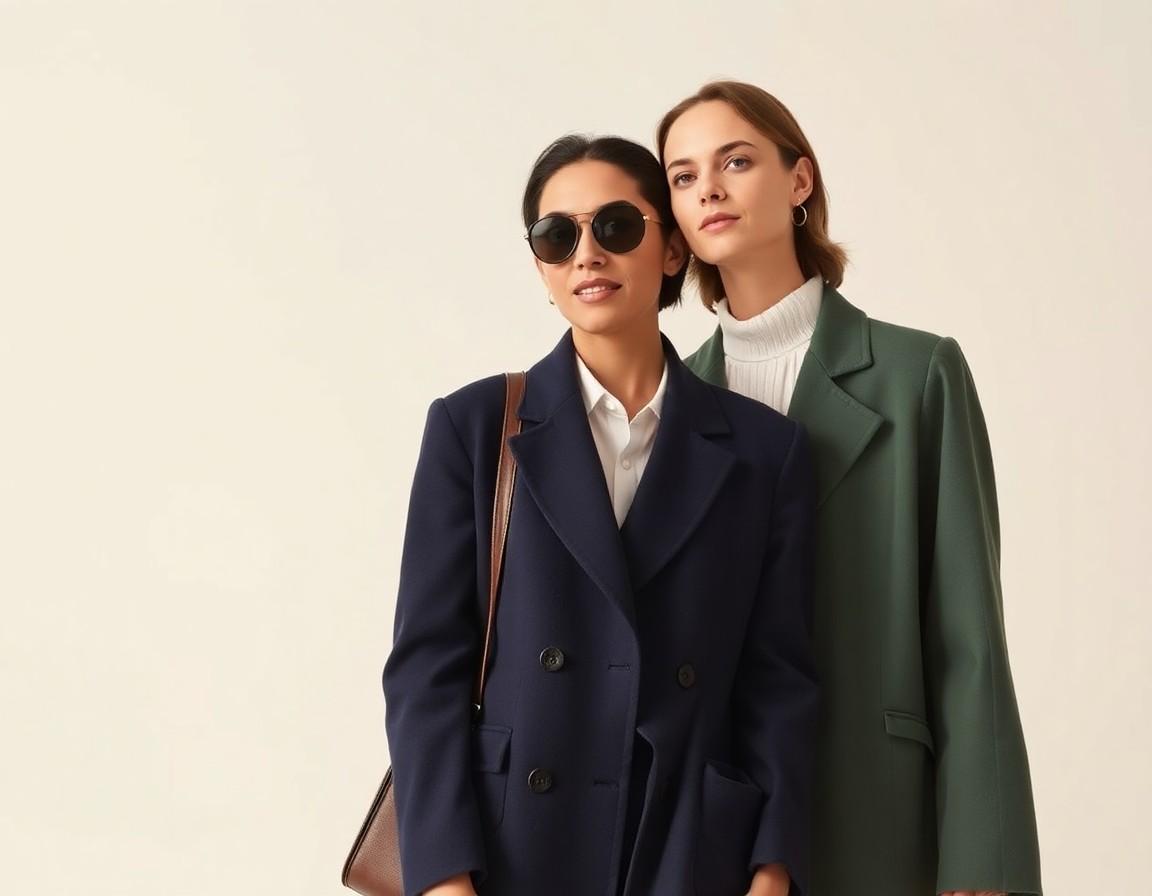
- Find photos on real people. Tagged customer photos or reviews show how a piece behaves off the studio set.
- Ask if it fits your actual wardrobe. Can you name three things you already own that it pairs with? If not, it may be a lonely impulse buy.
Beat impulse buying with a short pause
Impulse returns start as impulse buys, and the cure is friction. Give yourself a cooling-off rule — leave the item in your cart for 24 hours, or sleep on anything over a set price. Most of the time the urgency fades and you realize you were shopping a feeling, not a need. Unsubscribing from the “50% off ends tonight” emails helps too; manufactured scarcity is designed to short-circuit exactly this pause.
Solve fit before it ships
Fit is the single biggest driver of returns, and it's the one you can attack hardest before checkout. Keep a small note with your key measurements — chest, waist, hips, inseam — so you're never guessing. When a brand lists the model's height and the size they're wearing, use it as a yardstick against your own frame. And resist the multi-size safety order: it feels prudent, but it normalizes returning half of what you buy. Picking one size with confidence is the habit worth building.
Take the guesswork out by previewing on yourself
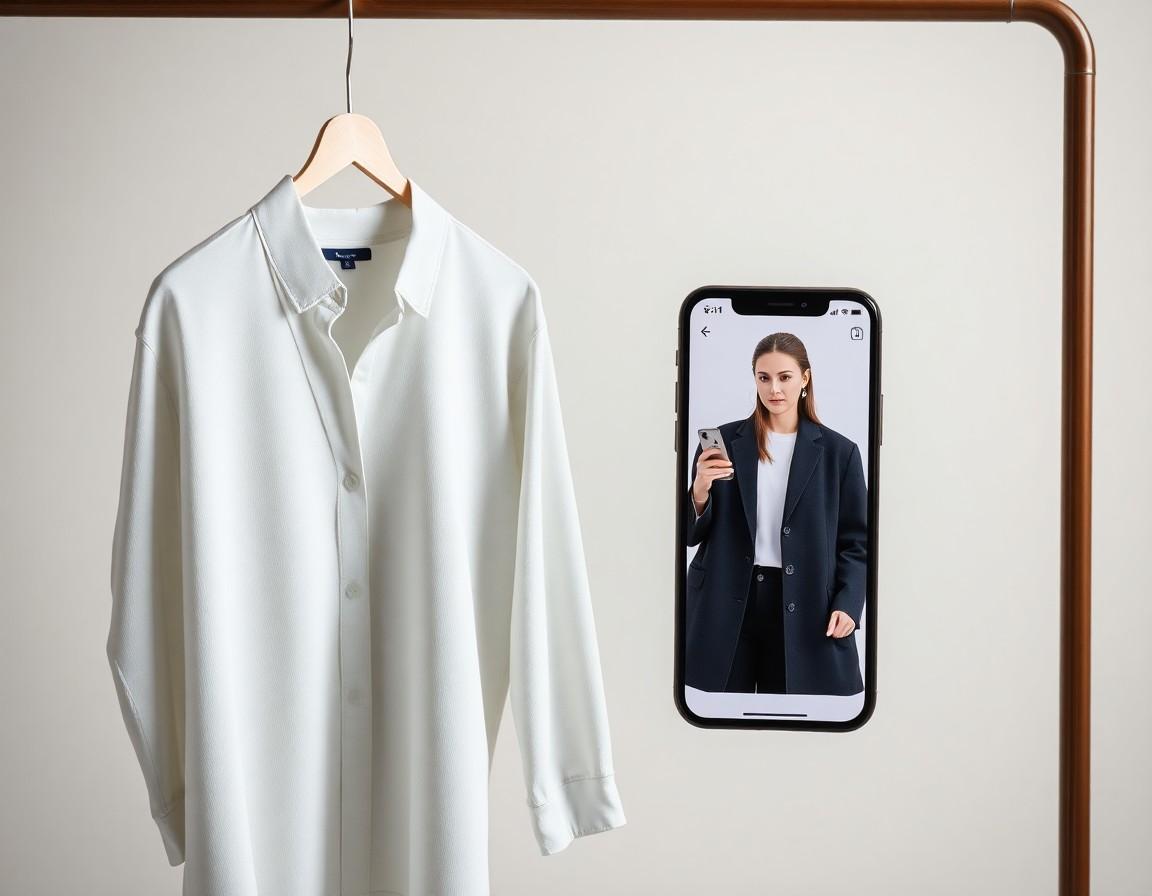
The deepest cause of returns is that you can't picture the item on you— only on a stranger who was cast and lit to sell it. That's exactly the gap virtual try-on closes. Instead of a model, you preview a garment on a photo of yourself, so you can judge the color against your own skin tone, the length against your own frame, and the overall silhouette before anything ships. It won't tell you whether a medium will pinch at the shoulders — for that you still want the size guide — but it answers the “will this actually suit me?” question that size charts never could, and that question is behind a huge share of returns.
Where TRYSHOP fits in
TRYSHOP is a virtual try-on app that lets you preview clothes from top brands on your own photo before you buy. Browse the catalog, drop an item onto a clear photo of yourself, and see a realistic preview in seconds — a quick gut-check on color, length, and style that turns “order and hope” into “preview and decide.” Pair it with the checklist above and the size guide for fit, and that returns pile starts to disappear.