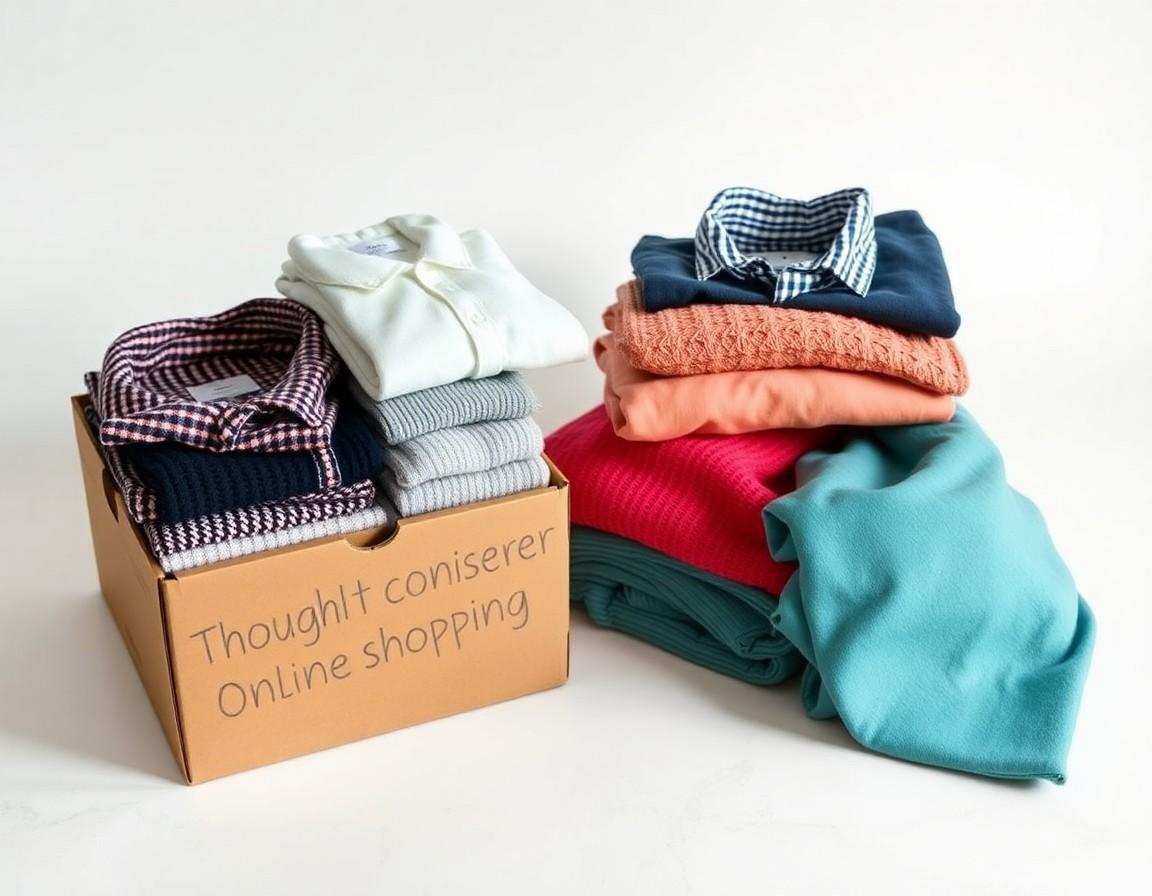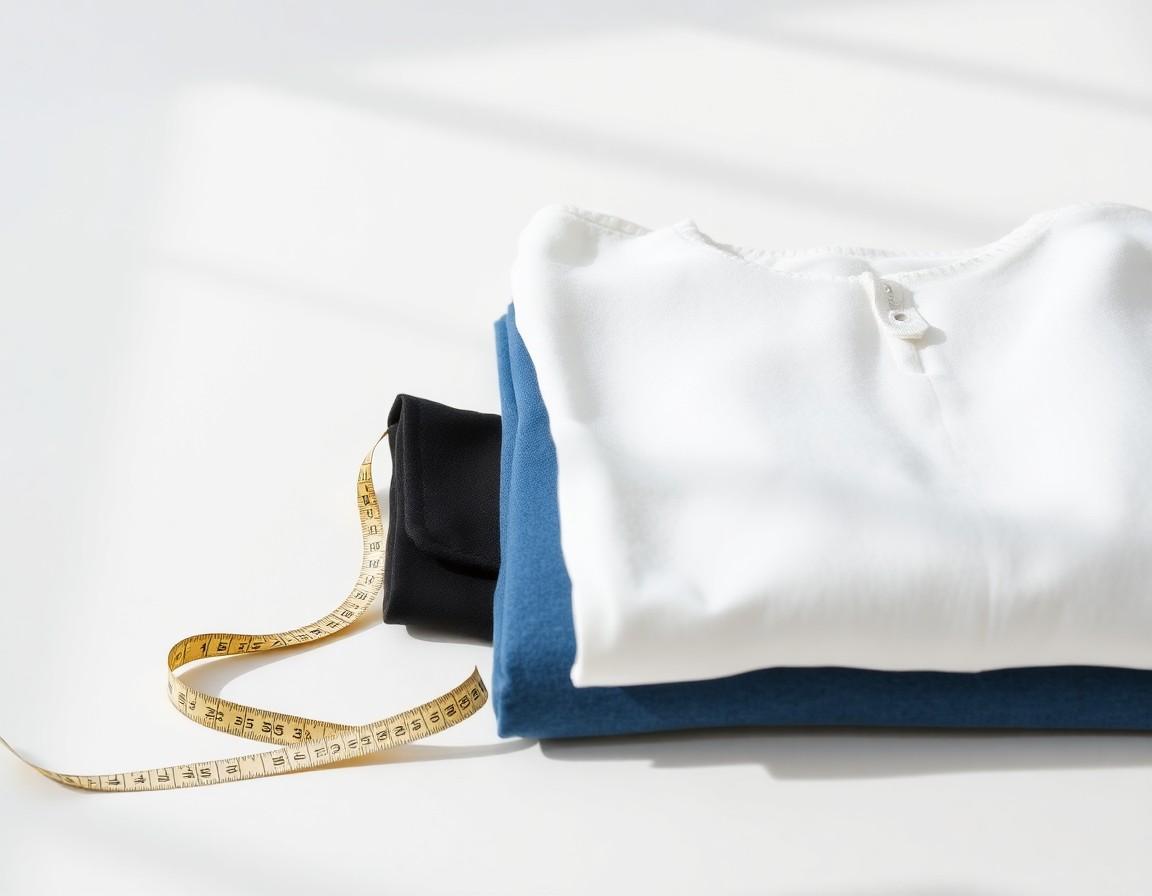
A size chart looks like the most trustworthy thing on a product page — a tidy grid of numbers that promises certainty. Yet you can read one perfectly, order the “right” size, and still end up with something that pulls across the back or swims at the waist. The chart isn't lying to you. It's just answering a narrower question than most people think. Here's how to read one properly, and why even a perfect reading still leaves a gap.
Measure yourself first — accurately
Every size chart assumes you already know your own measurements, and most sizing mistakes start here rather than in the chart. Grab a soft cloth tape measure (not a metal one), wear thin clothing or none at all, and stand relaxed. The tape should sit snug against your body — not biting in, not sagging. Breathe normally; don't suck in.
The measurements clothing brands lean on most are your chest or bust (around the fullest point, tape level front and back), your natural waist (the narrowest part of your torso, usually just above the belly button), your hips (the fullest point of your seat), and for tops, your shoulder width and inseam for trousers. Write them down in both centimetres and inches so you can match whatever units a brand uses. Re-measure every few months — bodies change, and a number from two years ago can quietly steer you wrong.
Body measurements vs garment measurements
This is the single most important distinction on any size chart, and most shoppers never notice it. Some charts list body measurements — the size of the person the garment is designed to fit. Others list garment measurements — the actual flat dimensions of the clothing itself, laid out and measured edge to edge.
They are not interchangeable. If a body chart says a medium fits a 96 cm chest, the garment will be cut larger than 96 cm so it actually goes on. If a garment chart says the chest is 96 cm, that isthe clothing, and your 96 cm chest would have zero room to spare. Before you compare a single number, find out which type of chart you're looking at. When in doubt, garment measurements are the more reliable of the two, because they describe the object you will actually receive rather than the person it imagines.
Ease: the gap that makes clothes wearable
The difference between your body and the garment is called ease, and it's the hidden variable behind how something feels to wear. A garment cut exactly to your body would be unwearable — you couldn't move, sit, or breathe. So designers add ease, and how much they add is a style decision, not an accident.
A tailored shirt might add only a few centimetres of ease for a close fit. An oversized sweater might add twenty or more. This is why two garments with the same label can feel like different sizes: a slim medium and a relaxed medium can differ by an entire size of room. When a garment chart gives you the finished measurements, subtract your own body measurement to see the ease for yourself — that number tells you far more about the fit than the letter on the label ever will.
Why charts vary so much between brands
There is no enforced international standard for clothing sizes. A medium at one label is a small at another and a large at a third, and everyone is technically correct. A few reasons this happens:
- Different fit blocks.Each brand builds its patterns around an assumed body shape — its “fit model” — and those assumptions vary widely.
- Vanity sizing. Some brands quietly inflate sizes over time so customers feel good about fitting a smaller label.
- Target customer. A brand designing for athletic builds cuts differently than one designing for a relaxed, everyday silhouette.
- Country of origin. European, US, UK, and Asian sizing systems all use different baselines, and conversions are rough at best.
The practical takeaway: never trust your “usual size” across brands. Treat each brand's chart as its own language and match your measurements to it every time.
What a size chart still can't tell you
Here's the honest limit. Even a perfectly read garment chart describes width and length — flat numbers. It says nothing about drape: how a fabric falls, clings, or skims. A stiff cotton and a fluid viscose can share identical measurements and hang completely differently on your frame.
Charts also can't speak to proportion. Two people with the same chest measurement can have very different shoulder slopes, torso lengths, and posture, and a garment that flows beautifully on one will bunch on the other. Stretch, fabric weight, and the cut of a specific style all shift how a number translates into a real fit. A chart gets you into the right neighbourhood. It rarely gets you to the exact door.
Pair the chart with a visual preview
Because charts handle dimensions but not drape or proportion, the smartest approach is to use two tools together. Let the size chart answer the sizing question — will this fit my body?— and use a visual preview to answer the question numbers can't: will this suit me? Seeing length against your actual frame, colour against your skin tone, and a silhouette against your real proportions tells you things no grid of measurements ever could.
This is where TRYSHOP fits in. It lets you preview clothes from top brands on a photo of yourself, so you can judge how a piece looks on your body before you order. It won't measure you or replace the size chart — it's a visualization, not a tape measure — but paired with the chart it closes much of the gap between “the right size on paper” and “the right look on me.”
A quick routine before you buy
Put it all together and the process is short. Know your current body measurements. Check whether the chart lists body or garment numbers. Compare against your measurements and look at the ease. Read the fabric and the fit description for clues about drape. Then preview the look on yourself to sanity-check proportion and style. Five minutes of this saves the slow, expensive cycle of order, hope, and return — and sends far fewer parcels back and forth.