You see a dress on a model and it looks effortless. It hangs just right, the color glows, the proportions are perfect. So you order it — and when it arrives, somehow it's a different garment. Shorter here, baggier there, a color that fought your skin instead of flattering it. You didn't do anything wrong. The truth is that almost every product photo you scroll past has been quietly engineered to look its best, and a lot of what makes it look good has nothing to do with the clothes themselves. Once you know what goes into that image, it stops feeling like a personal failure and starts looking like what it is — a carefully staged photo that was never meant to predict how the piece would land on you.
The model was chosen to fit the clothes
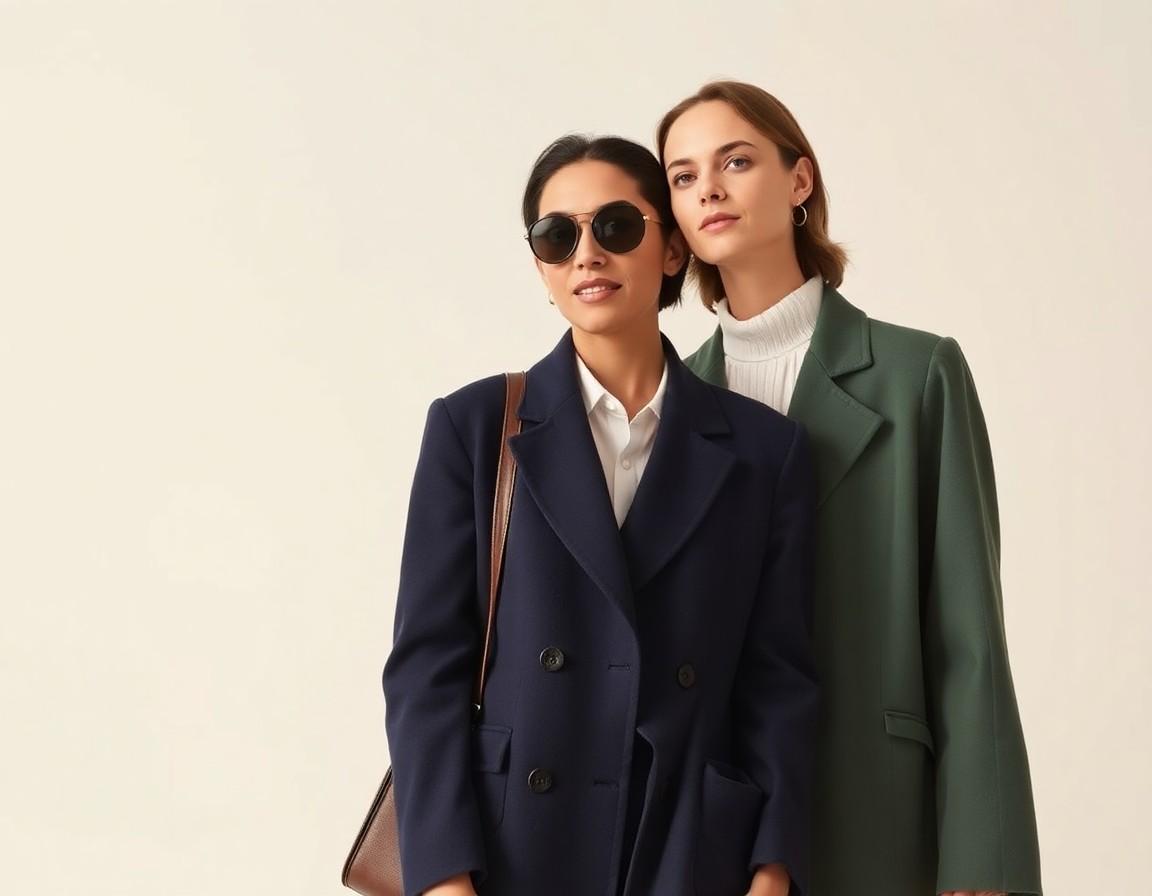
Brands don't pick a sample size and then find someone to wear it — they often do the reverse. Fit models are cast because their proportions make the sample drape cleanly. The garment you see was made to that body, not yours. If your shoulders are broader, your torso shorter, or your hips fuller, the exact same piece distributes its fabric in a completely different way. None of that means the clothing is poorly made or that your body is “wrong” — it simply means the photo was never a preview of you.
Pins, clips, and tape do the heavy lifting
Step behind the camera on a clothing shoot and you'll see the tricks. A blazer that looks tailored is pinched at the back with clips. A dress that skims the waist is gathered with bulldog clamps just out of frame. Loose hems get folded under and taped; gaping necklines get pinned flat. Stylists call it “fitting the sample to the shot,” and it's standard practice. What you see is the absolute best-case version of how that garment can sit — a version you can't recreate at home with the same item on a hanger in your bedroom. There's nothing dishonest about it either — it's how a sample that has to suit thousands of different bodies gets photographed once. But it does mean the photo shows the garment's ceiling, not its everyday reality.
Lighting and editing change the color
Studio lighting is built to make fabric look rich and skin look even. Then the image is color-graded so the whole shot feels cohesive — which can nudge a garment's real shade warmer, cooler, or more saturated than it actually is. A “sage green” can read as mint on screen; a true black can photograph as charcoal. By the time the image reaches you, the color has passed through professional lights, a calibrated camera, an editor's grade, and finally your own phone screen. Each step shifts it a little, and the cumulative effect is real.
Posing creates lines you'll never strike
Models are directed into poses that flatter the garment: a hand on the hip to define a waist, a slight turn to lengthen a silhouette, weight shifted to one leg to make trousers fall straight. These poses aren't how anyone stands at a bus stop. The same trousers that fall in a clean column on a posed leg will break and bunch differently when you're just standing normally. The clothes haven't changed — the geometry around them has, and your everyday geometry is the one that matters.
Your coloring is yours alone
A color that lights up one person's complexion can dull another's. Your undertone, hair, and the contrast between your skin and the fabric all decide whether a shade flatters you or fades you. The model's coloring was a fixed variable in that photo; yours is a different one entirely. This is why a top that looked stunning online can feel oddly draining in your own mirror — the color is doing exactly what it always did, just against a different backdrop.
Proportions are relative, not absolute
A cropped jacket hits one model at the natural waist and another mid-rib. A “midi” skirt is calf-length on someone tall and nearly ankle-length on someone petite. Length and cut are always measured against a body, so the same measurement lands in a different place on yours. Here are the variables that quietly shift a garment between the model and you:
- Height — where every hem, waistline, and sleeve lands
- Torso and leg ratio — how a dress or trousers divide your frame
- Shoulder and hip width — how fabric drapes versus pulls
- Bust, waist, and hip balance — where a garment skims or strains
- Skin undertone and contrast — whether a color lifts or flattens you
The fix: preview it on your own photo
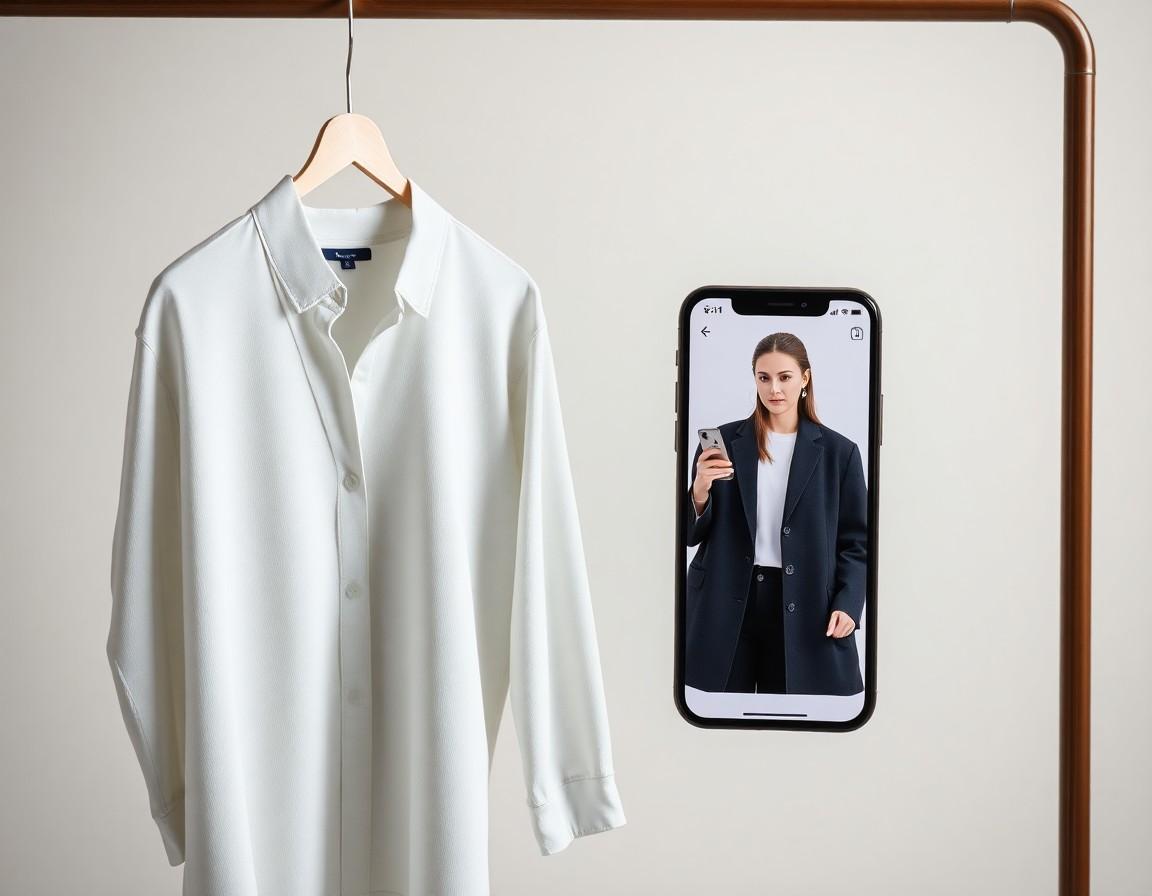
You can't un-style a product photo, but you can swap it for one that actually shows you. That's exactly what virtual try-on is for. Tools like TRYSHOPlet you preview an item on a photo of yourself — your proportions, your coloring, your normal stance — so you're judging the garment against the right body instead of a styled stranger. It won't tell you whether a medium will pinch your shoulders, so keep checking the size guide for fit. But for the questions a size chart can never answer — does this color suit me, does this length work on my frame, is this silhouette me — seeing it on yourself beats trusting the model every time.