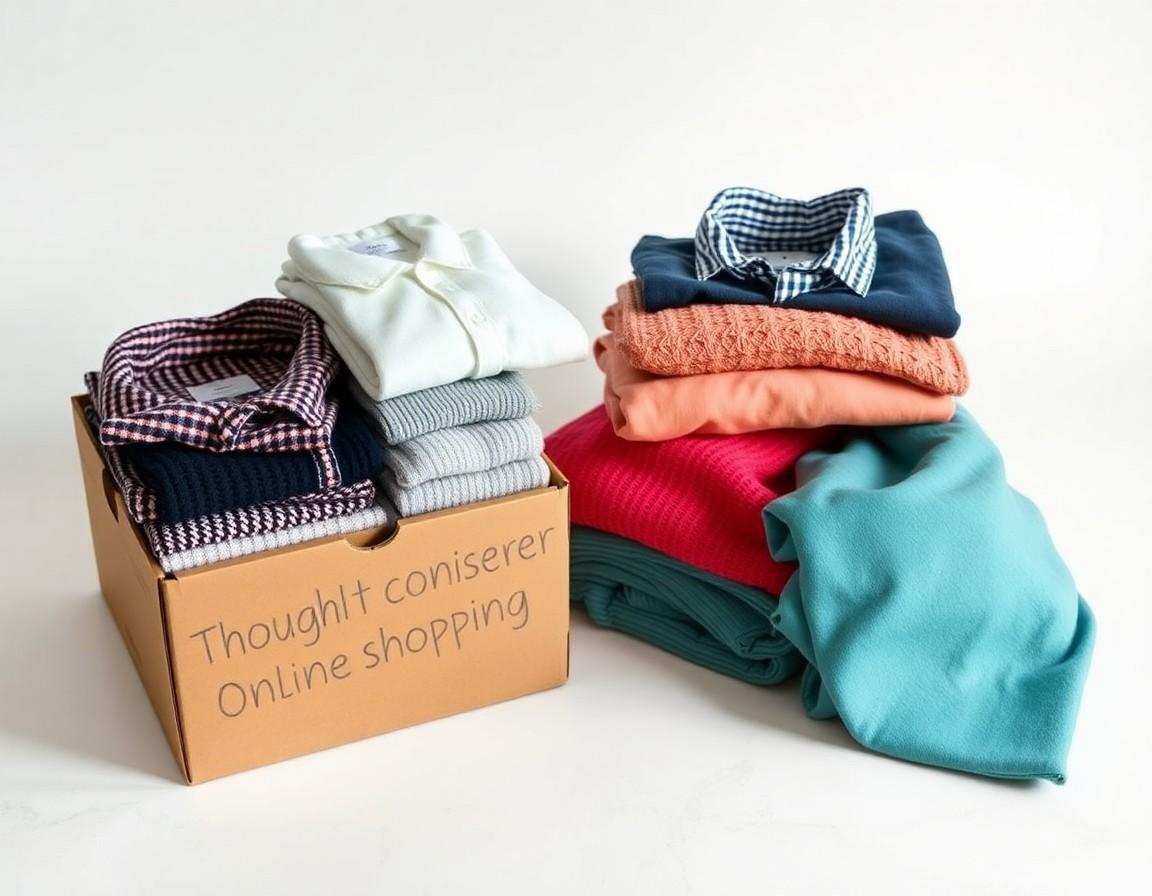
A 60% banner, a ticking countdown, three people “viewing this item right now.” Sales are engineered to make you move fast and think later. And most of the time it works: you grab the deal, the box arrives, and the dress that looked perfect on the model just looks off on you. A discount you never wear isn't savings — it's a smaller loss. Here's how to slow down just enough to make the discount real.
Why sales make us buy badly
Urgency is the whole point of a sale. Countdown timers, limited-stock warnings, and “today only” framing are designed to trigger a fear of missing out that overrides your usual judgment. When a price feels like it's about to vanish, your brain treats the decision as the deal — not the garment. You end up evaluating the discount instead of asking the only question that matters: would I buy this, at this price, if it weren't on sale and I had all week to decide?
A discount on the wrong thing is not a deal
The math people skip is simple. A €40 top marked down to €15 only saves you money if you actually wear it. If it sits in your closet with the tag on, you didn't save €25 — you spent €15 on nothing. The true cost of a garment is the price divided by the number of times you wear it, and an unworn sale buy has a cost of infinity. Cheap and unworn is always more expensive than full price and loved.
The trap of final sale
Deep discounts very often come with a catch in the fine print: final sale, no returns, no exchanges. Retailers mark down clearance items precisely because they don't want them back. That's a fair trade — but it flips the risk entirely onto you. On a normal order, a bad guess costs you a return trip to the post office. On a final-sale order, a bad guess costs you the whole amount. The bigger the discount, the more likely returns are off the table, and the more it matters that you get it right the first time.
Slow down: the 24-hour cart
The single most effective anti-regret habit is to put time between wanting and buying. Add the item to your cart and walk away for a day. Most “I need this now” feelings are gone by morning, and the ones that survive are usually the buys you won't regret. Real doorbuster deals on staples are rare; the more common pattern is a rolling promotion that returns in a few weeks. If a sale truly can't wait, that urgency is a signal to scrutinize the purchase harder, not to skip the thinking.
Questions to ask before you commit
Before you click buy on anything discounted, run it through a quick checklist. If you hesitate on more than one of these, put it back:
- Would I pay full price for it? If the only reason you want it is the markdown, the markdown is the problem.
- Can I name three things I'd wear it with? A piece that pairs with nothing in your closet becomes a one-off you never reach for.
- Is it final sale? If returns are off the table, raise your confidence bar before committing.
- Do I have something almost identical already? Another black tee at 50% off is still another black tee.
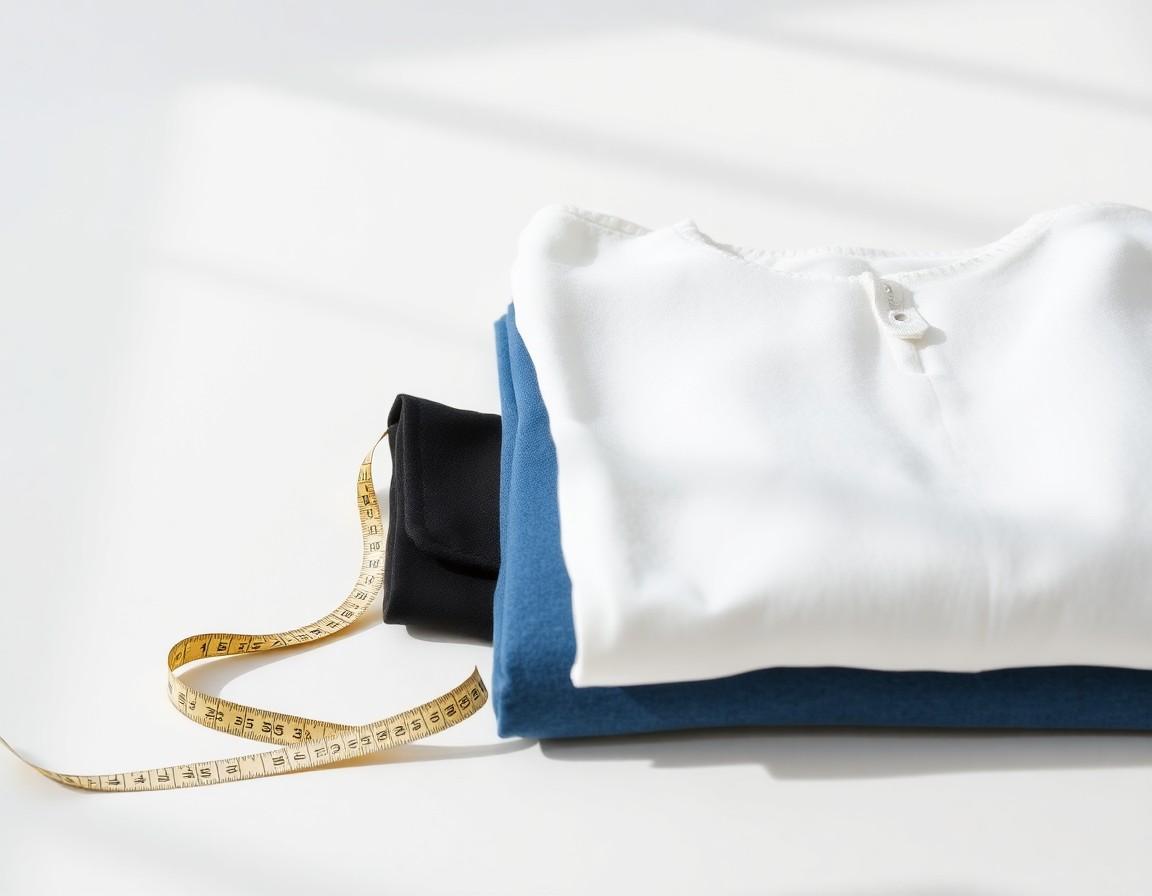
- Does the size chart actually match my measurements? A great price on the wrong size is money gone.
Preview it on yourself, not the model
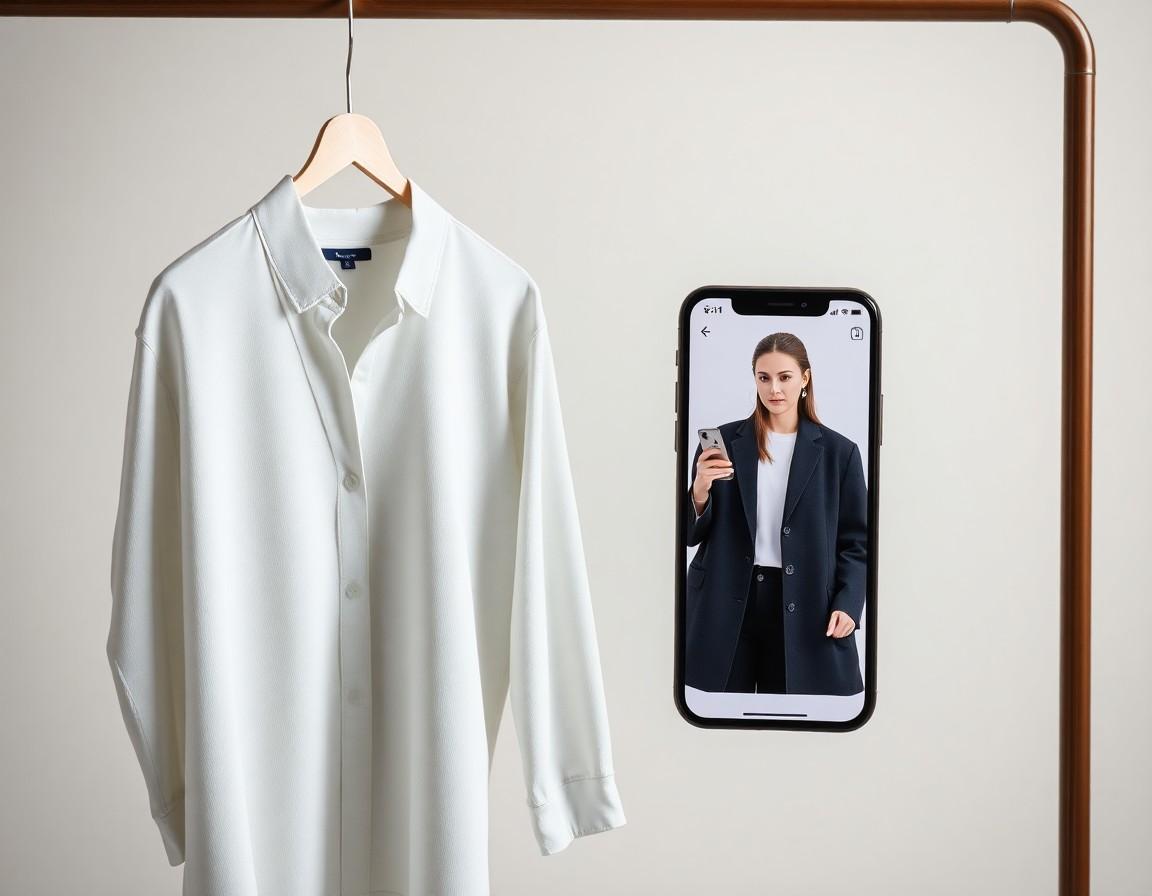
Most sale regret comes down to one gap: the photo shows the garment on someone who isn't you. Different height, different build, different coloring. The cut that drapes beautifully on a studio model can read boxy on your frame, and a color that pops on the website can wash you out in person. With returns gone on final sale, you can't afford to find that out after it ships. Seeing the item against your own proportions and skin tone — before you commit — is exactly the confidence check a countdown timer is trying to rush you past.
This is where virtual try-on earns its place in your shopping routine. It won't tell you whether a medium will pinch at the shoulders — that's still a job for the size guide — but it answers the “will this actually suit me?” question that drives most impulse-sale regret. A few seconds of previewing is cheap insurance against a non-returnable mistake.
Make the discount real with TRYSHOP
TRYSHOP lets you preview clothes from top brands on a photo of yourself before you add anything to cart. When the next flash sale hits, you can pause the countdown in your own head, see the look on you instead of the model, and only spend on the pieces you'll genuinely wear. That's how a discount turns into actual savings instead of a closet full of bargains with the tags still on.