Courtroom dressing has one goal: to look credible, respectful, and serious. Whatever your role — defendant, witness, juror, or support for a loved one — a conservative, understated outfit signals that you take the proceedings seriously, which is exactly the impression you want to make on a judge or jury. Think business formal to business casual, muted and neat, nothing that distracts.
Below are court-appropriate looks and the etiquette details that matter when a first impression carries real weight.
Decode the dress code
Conservative and credible is the rule. Aim business formal to business casual, never casual.
- Lean business formal to business casual — a suit, or tailored trousers/skirt with a blazer.
- Muted, neutral colors — navy, grey, black, white; nothing bright or loud.
- Cover up and keep it neat: closed-toe shoes, modest necklines and hems, minimal jewelry.
- Avoid anything distracting — logos, slogans, ripped denim, flashy or revealing pieces.
The credible look
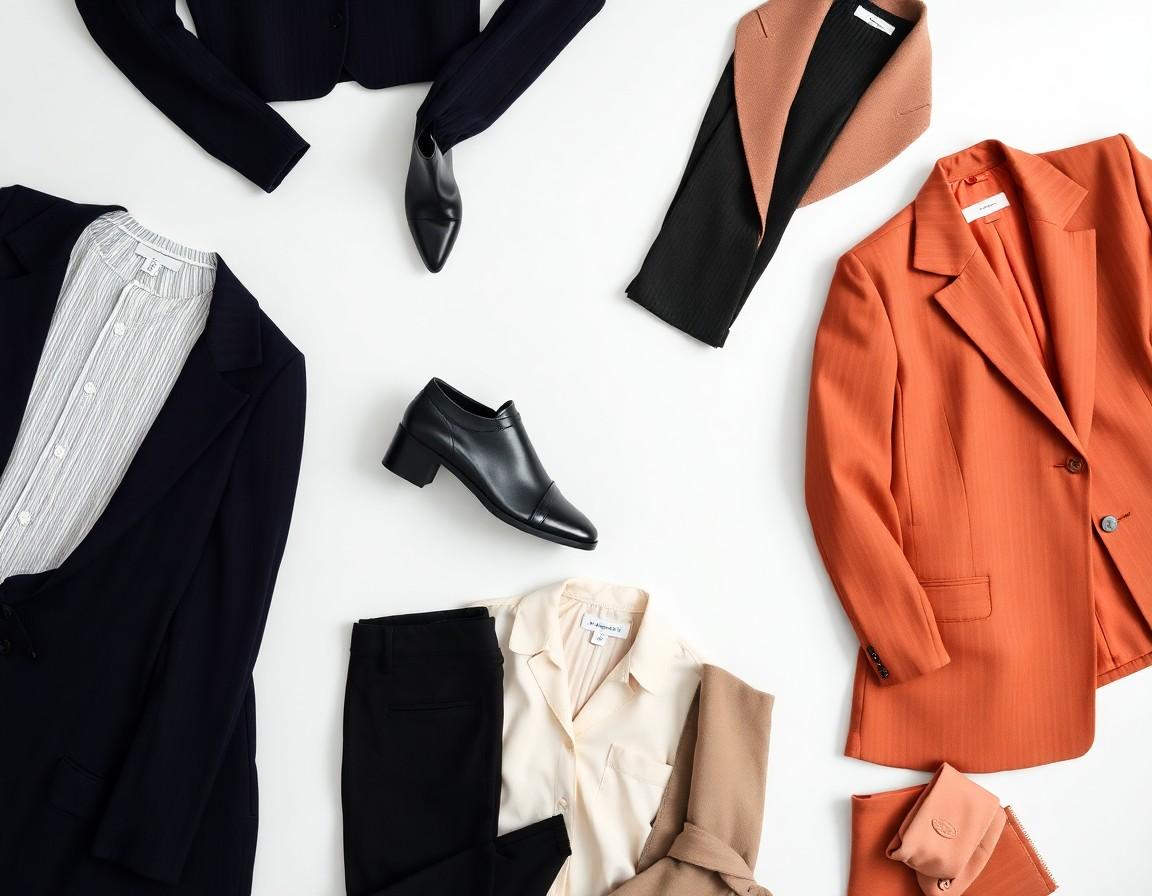
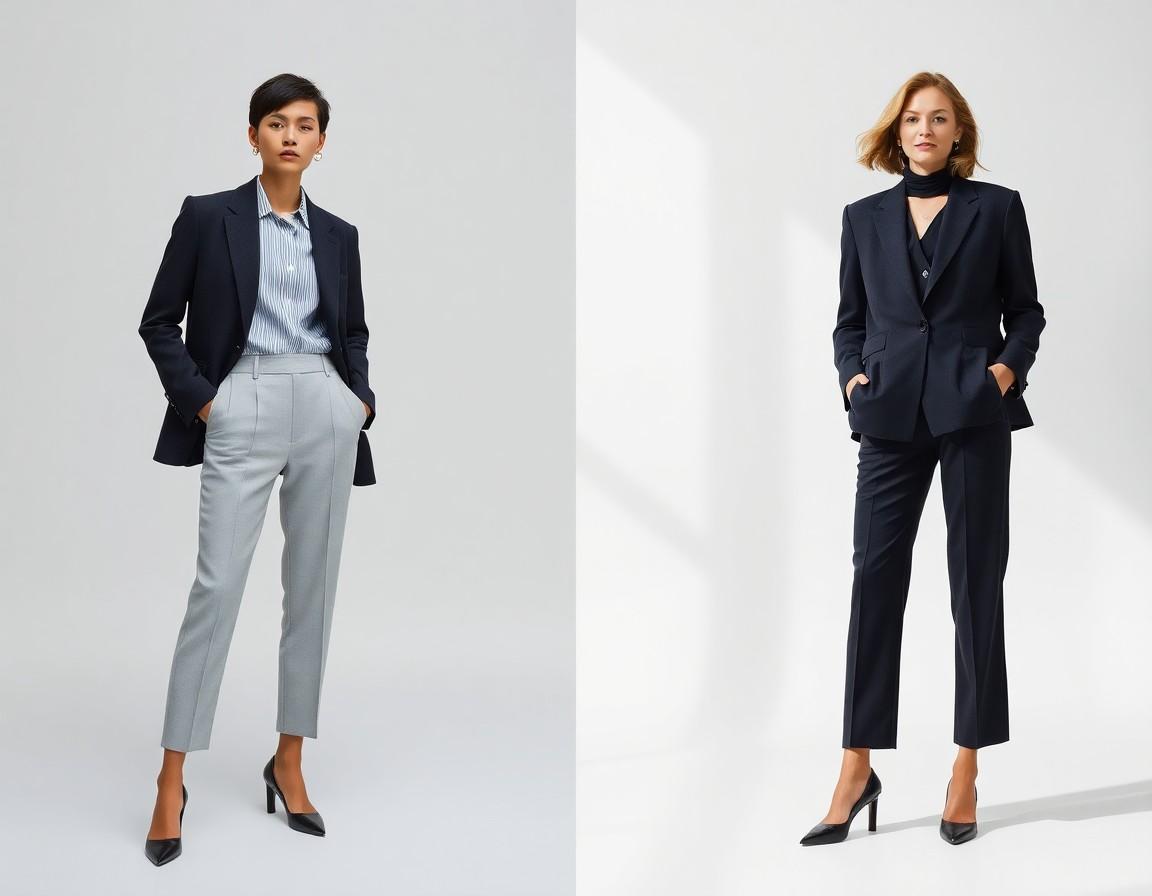
The conservative suit or separates
- A suit, or tailored trousers/knee-length skirt with a blazer
- A crisp shirt or modest blouse in a muted color
- Closed-toe polished shoes
Business-formal-leaning and understated is the safe, credible choice. Sharp, muted, and covered tells the room you're taking it seriously.
The business-casual minimum
When a full suit isn't possible
- Clean, pressed trousers with a collared shirt or modest top
- A blazer or dark sweater
- Closed-toe leather shoes
If a suit isn't available, neat business casual in muted colors still reads respectful. Pressed and covered is the baseline.
Quick do's and don'ts
- Dress conservatively — business formal to business casual, never casual or flashy.
- Stick to muted, neutral colors; avoid bright shades, bold prints, and anything loud.
- Cover up and keep it neat: closed-toe shoes, modest necklines and hemlines, minimal jewelry.
- Avoid logos, slogans, ripped denim, and revealing or distracting pieces entirely.
- Press and groom everything — a credible impression is built on neat details.
- When in doubt, dress as you would for an important, formal job interview.
Court appearance outfit FAQs
What should I wear to court?
Dress conservatively and credibly — business formal to business casual. A suit, or tailored trousers or a knee-length skirt with a blazer and a modest top, all in muted neutral colors, is the safe choice. Keep it covered and neat with closed-toe shoes and minimal jewelry, and avoid anything bright, ripped, logoed, or revealing. The aim is to look respectful and serious.
What colors should you wear to court?
Stick to muted, neutral colors — navy, grey, black, and white project seriousness and credibility, with navy often cited as a particularly trustworthy choice. Avoid bright or bold shades, loud patterns, and anything attention-grabbing. The goal is to look understated and respectful so the focus stays on the proceedings, not your outfit.
Can I wear jeans to court?
It's best to avoid jeans if you can. Courts expect a respectful, conservative appearance, and tailored trousers, a skirt, or a suit make a far stronger impression than denim. If a suit truly isn't possible, clean, dark, pressed trousers with a collared shirt and a blazer are a better fallback. Reserve jeans only as a last resort, and never ripped or distressed ones.