A wedding invitation is half celebration, half logistics puzzle: you have a date, a venue, a dress code printed in the corner of the card — and a closet that may or may not contain the right answer. The good news is that guest dressing is largely a solved problem. Once you decode the dress code and pick a silhouette that flatters you, the rest is detail.
Below are guest outfit formulas grouped by the dress code you were given, what to do when you weren't given one, the colors to steer clear of, and how to adapt any of these looks to the season and venue.
Decode the dress code
The dress code on the invitation is the single most important clue — it tells you how formal to go. Here is what each one actually means for a guest.
- Black tie: floor-length gown or formal cocktail dress; for men, a tuxedo. The most formal a wedding gets short of "white tie."
- Black tie optional / formal: a long dress or a dressy midi works; a dark suit for men. You can go full-length but don't have to.
- Cocktail: the most common code — a knee-to-midi-length dress or a sharp suit. Polished but not floor-length.
- Semi-formal / dressy casual: a midi dress, a skirt-and-top, or chinos with a blazer. Elevated everyday.
- Beach / garden: breathable fabrics, midi or maxi lengths, block heels or dressy flats that won't sink into grass or sand.
- No dress code listed: default to cocktail. It's almost never wrong, and slightly overdressed beats underdressed at a wedding.
Cocktail attire
The workhorse wedding dress code. Knee-length to midi, a little polish, nothing floor-length.
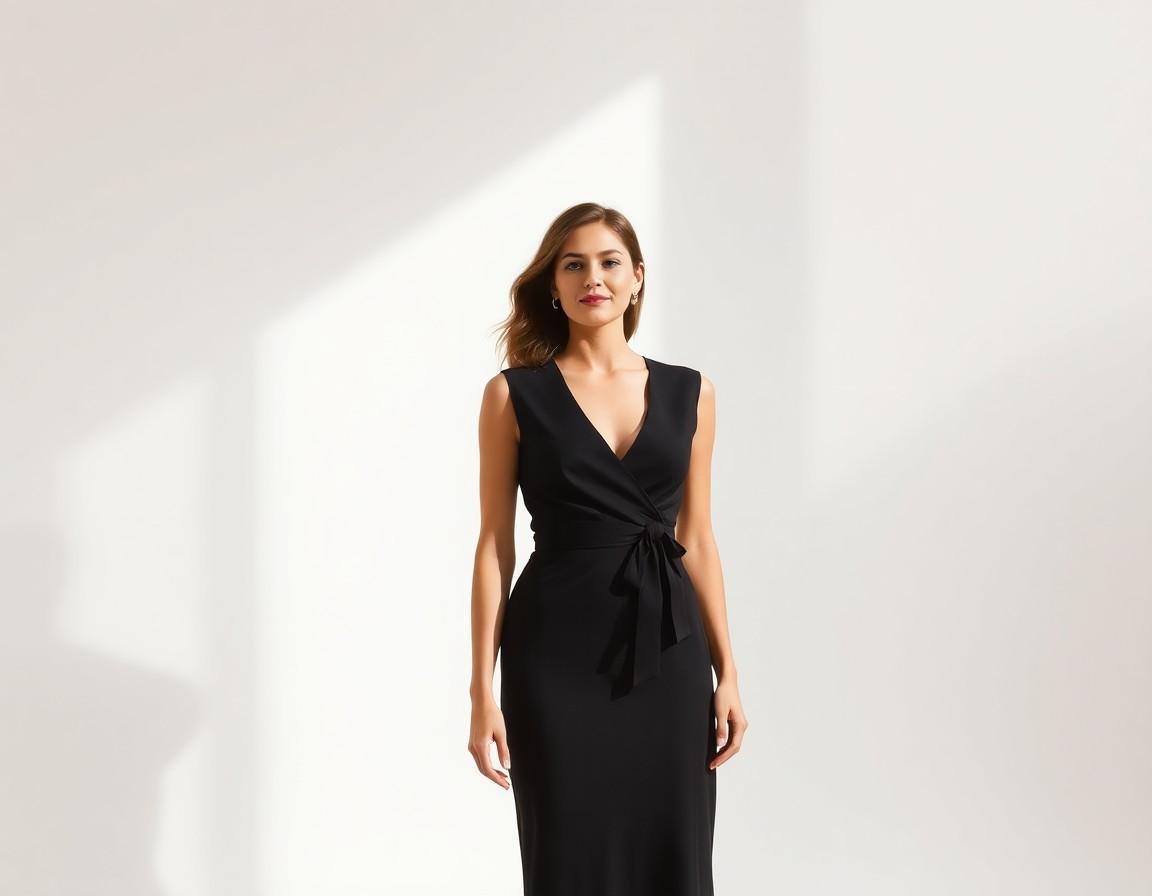
The fail-safe dress
When you want one decision, made well
- A midi sheath or fit-and-flare dress in a jewel tone or print
- A block heel or kitten heel you can actually walk in
- A small clutch and one piece of statement jewelry
A sheath flatters a straight or athletic frame; fit-and-flare is the most forgiving cut across body types. Either reads instantly correct for cocktail.
The separates play
If a dress never feels like you
- A satin or pleated midi skirt with a tucked silk camisole or fine-knit top
- A slingback or strappy heel
- A structured mini bag
Separates let you mix formality — dressy skirt, simpler top — and re-wear each piece. Keep the proportions deliberate: fitted top with a fuller skirt, or vice versa.
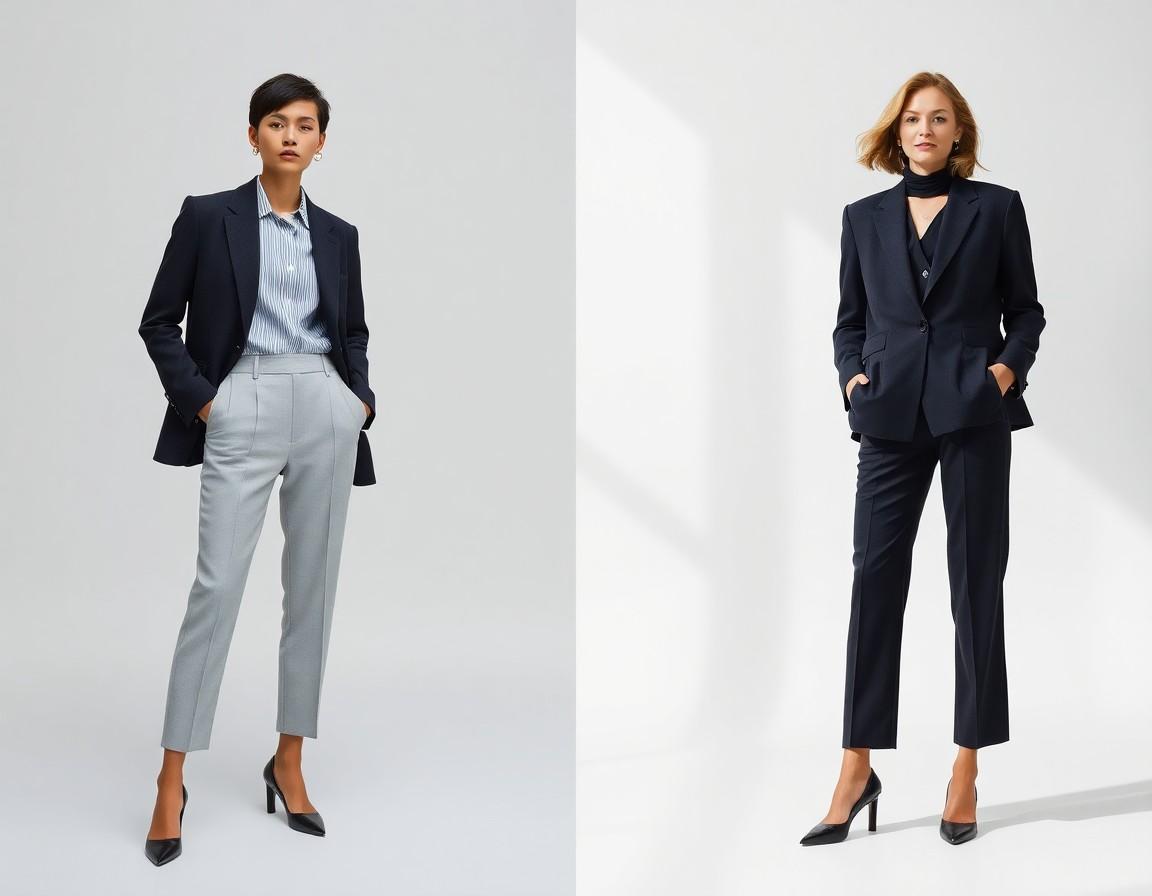
The suit
Any gender, modern and sharp
- A well-tailored suit in navy, charcoal, or a soft color
- A crisp shirt or a fine knit underneath — skip the tie for a relaxed read
- Leather loafers or heels
A suit is fully cocktail-appropriate and increasingly the most stylish choice. Fit is everything — get the shoulders and the trouser break right before anything else.
Formal & black-tie optional
Turn the polish up. Length and fabric do most of the work here.
The long dress
- A floor-length or maxi gown in a solid, rich color
- Heeled sandals (length lets you cheat the height)
- Delicate metallic jewelry and an evening clutch
Full length instantly signals formal. A column or A-line shape is the safest bet; a thigh-high slit keeps it from feeling matronly.
The dressy midi
Formal without committing to floor-length
- A midi in a luxe fabric — satin, velvet, or chiffon
- Strappy or embellished heels
- A wrap or tailored coat for cooler venues
A midi in an evening fabric splits the difference perfectly when "black tie optional" leaves you unsure how far to go.
Semi-formal & dressy casual
Elevated everyday — daytime weddings, garden ceremonies, casual venues.
The daytime dress
- A floral or pastel midi dress in cotton, linen blend, or chiffon
- Block heels, wedges, or dressy flats
- A straw or fabric clutch
Lighter fabrics and prints read daytime and relaxed. Block heels keep you stable on grass.
The polished separates
- Tailored trousers or chinos with a blazer or a tucked blouse
- Loafers, mules, or a low heel
- A leather belt and a structured bag
For men and anyone preferring trousers, chinos with a blazer hit dressy-casual exactly. Add a tie only if the rest of the room will.
Beach & garden weddings
Breathable fabric and the right shoe matter more than anywhere else here.
The breezy maxi
- A flowy maxi or tiered dress in linen, cotton, or chiffon
- Block heels, wedges, or embellished flats — never stilettos on sand or grass
- Minimal, lightweight jewelry
Length and movement suit the setting; a heel with a wide base keeps you from aerating the lawn. Pick a fabric that won't crush on the drive over.
The linen suit
Warm-weather, any gender
- A linen or lightweight cotton suit in a soft color
- An open-collar shirt, no tie
- Loafers or dressy espadrilles
Linen tailoring is built for heat and reads relaxed-but-dressed. Embrace the natural crease — it's part of the look.
Quick do's and don'ts
- Don't wear white, ivory, or champagne — anything that could read as bridal is off-limits unless the couple asks for it.
- Skip all-red or attention-grabbing sequins at a daytime ceremony if you'd rather not pull focus; save the drama for evening receptions.
- Check the venue and ground: grass, sand, and cobblestones punish thin heels — choose a block heel, wedge, or dressy flat.
- Layer for the temperature swing — ceremonies that start warm often end cool. A wrap or tailored coat saves the night.
- When no dress code is given, default to cocktail; lightly overdressed always beats underdressed at a wedding.
- Re-wearability is your friend — separates and a great midi dress earn their place in the closet long after the wedding.
Wedding guest outfit FAQs
What should I wear to a wedding if there's no dress code?
Default to cocktail attire: a knee-to-midi-length dress, dressy separates, or a tailored suit. It's the most common wedding dress code and is almost never wrong. When in doubt, lean slightly more formal — being a touch overdressed reads as respectful, while underdressed stands out for the wrong reason.
Can a wedding guest wear black?
Yes. Black is widely accepted for weddings today, especially for evening and formal celebrations. Keep it from feeling funereal with texture, a interesting neckline, or a pop of color in your shoes or accessories. The only color still off-limits is white or anything close to it.
What colors should you avoid as a wedding guest?
Avoid white, ivory, cream, and champagne — any shade that could compete with the bride. It's also polite to skip an exact match to the bridal party's colors if you know them. Some guests also avoid all-black for very casual daytime weddings, though black is otherwise fine.
Is a jumpsuit or suit okay for a wedding guest?
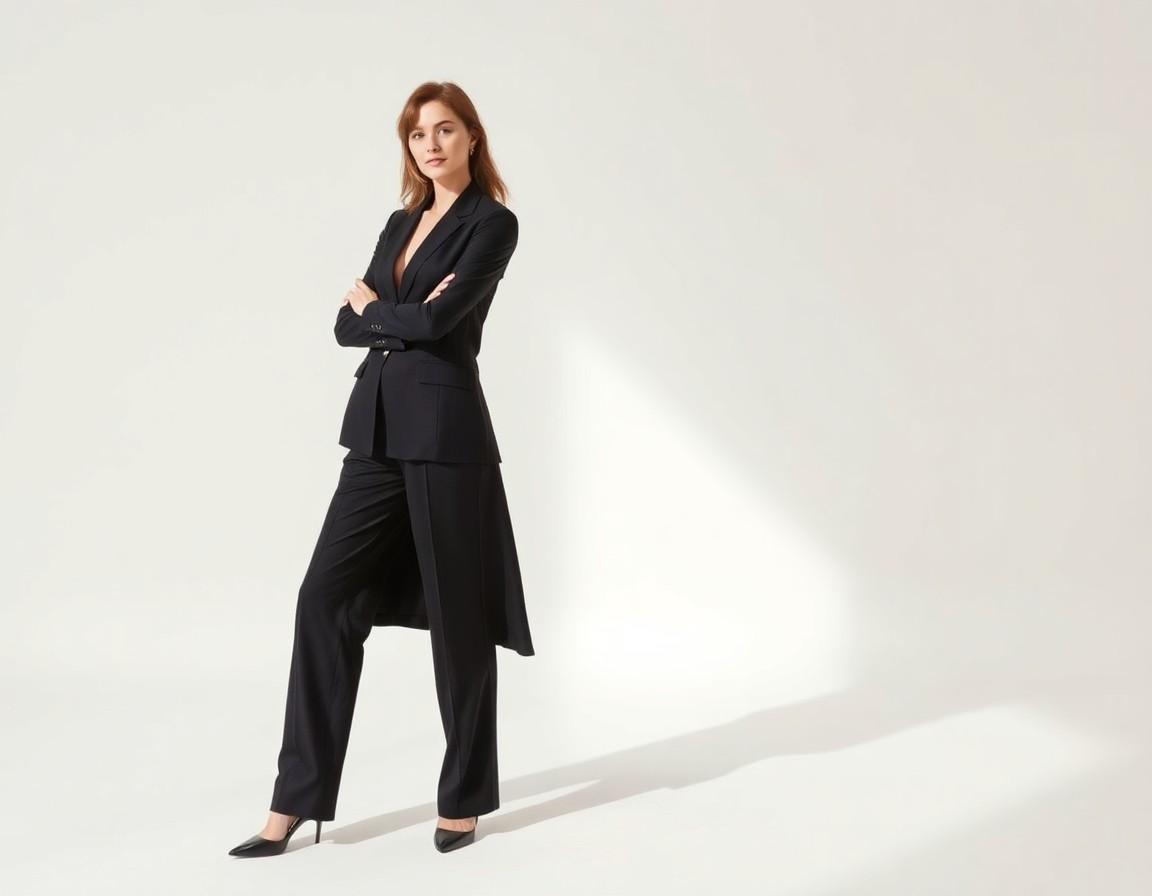
Absolutely. A tailored jumpsuit or a well-fitted suit is fully appropriate for cocktail and even formal weddings, and is often the most modern, comfortable choice. Fit matters most — get the tailoring right and choose a dressier fabric like satin, crepe, or a fine wool.
What do I wear to a beach wedding as a guest?
Choose breathable fabrics — linen, cotton, or chiffon — in a midi or maxi length, and shoes that won't sink into sand or grass, like block heels, wedges, or dressy flats. A linen suit works for any gender. Keep jewelry light and bring a layer for the breeze after sunset.