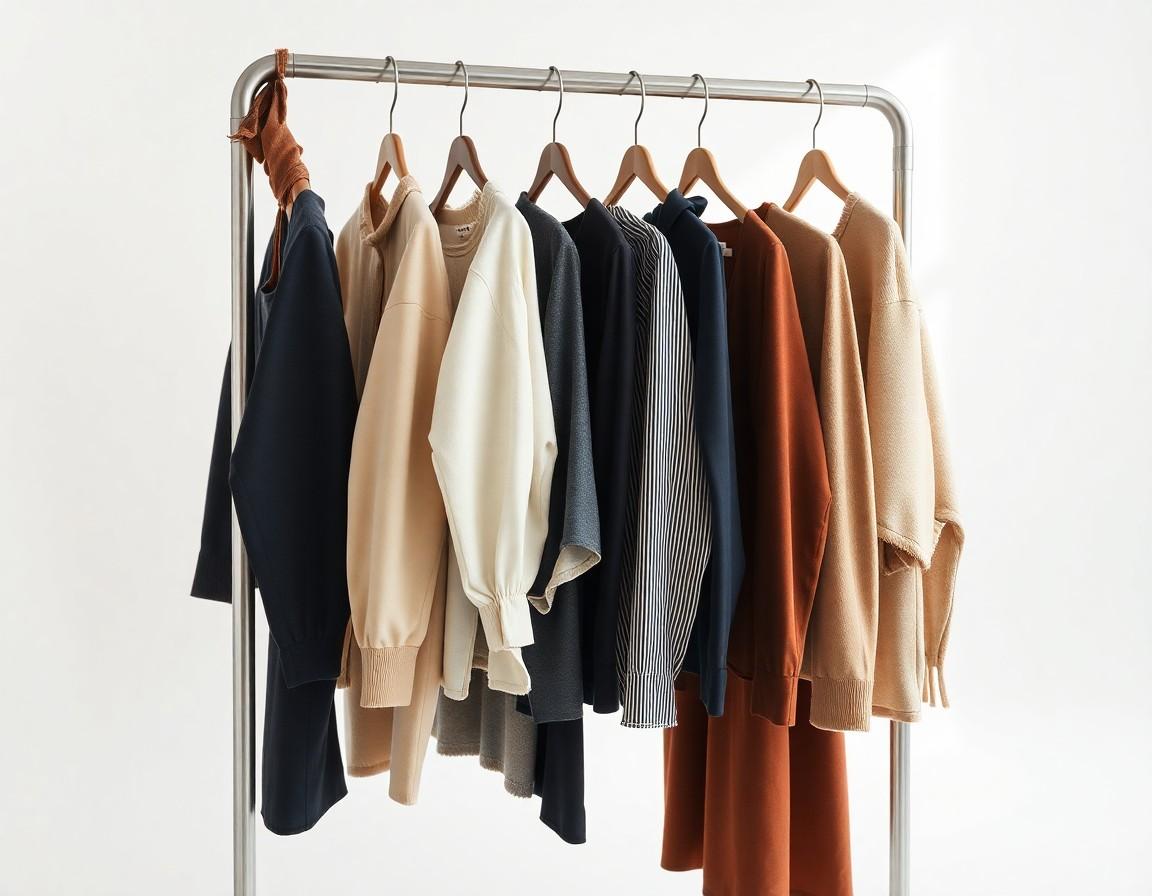
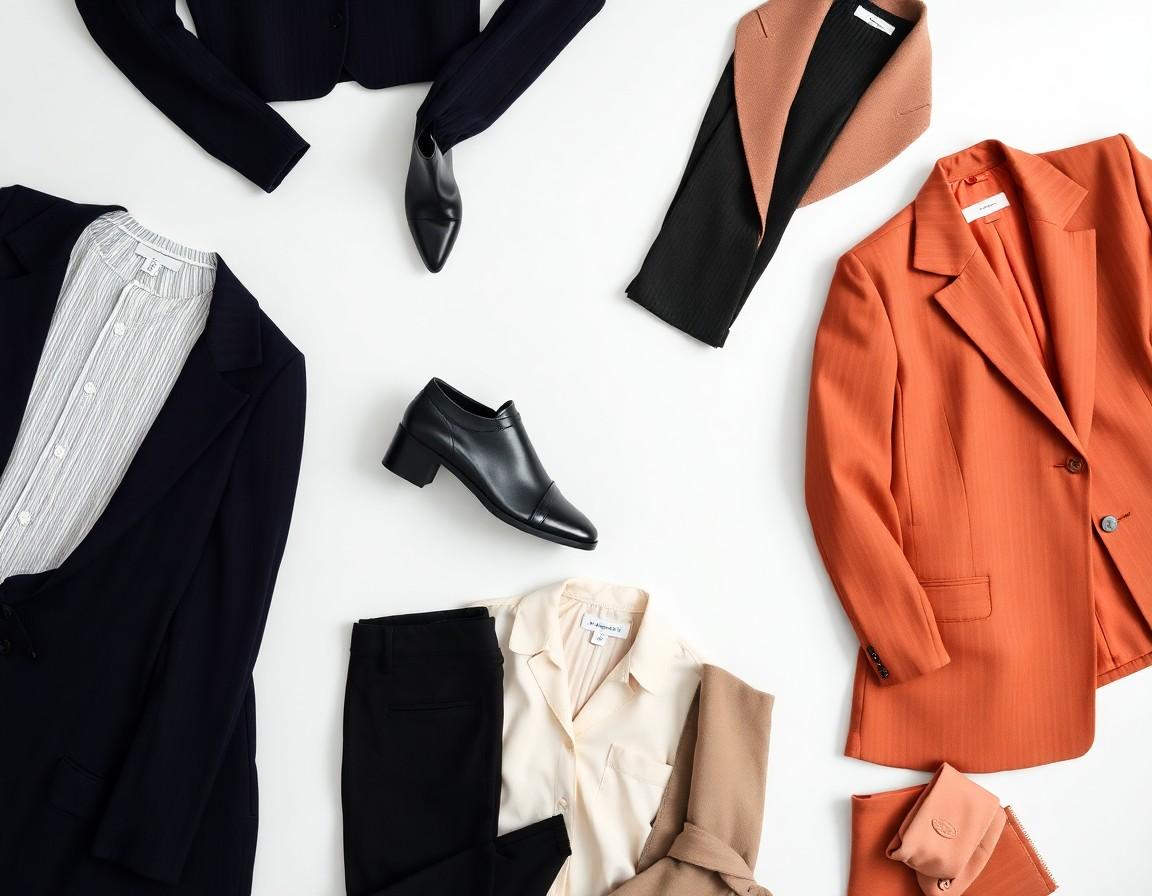
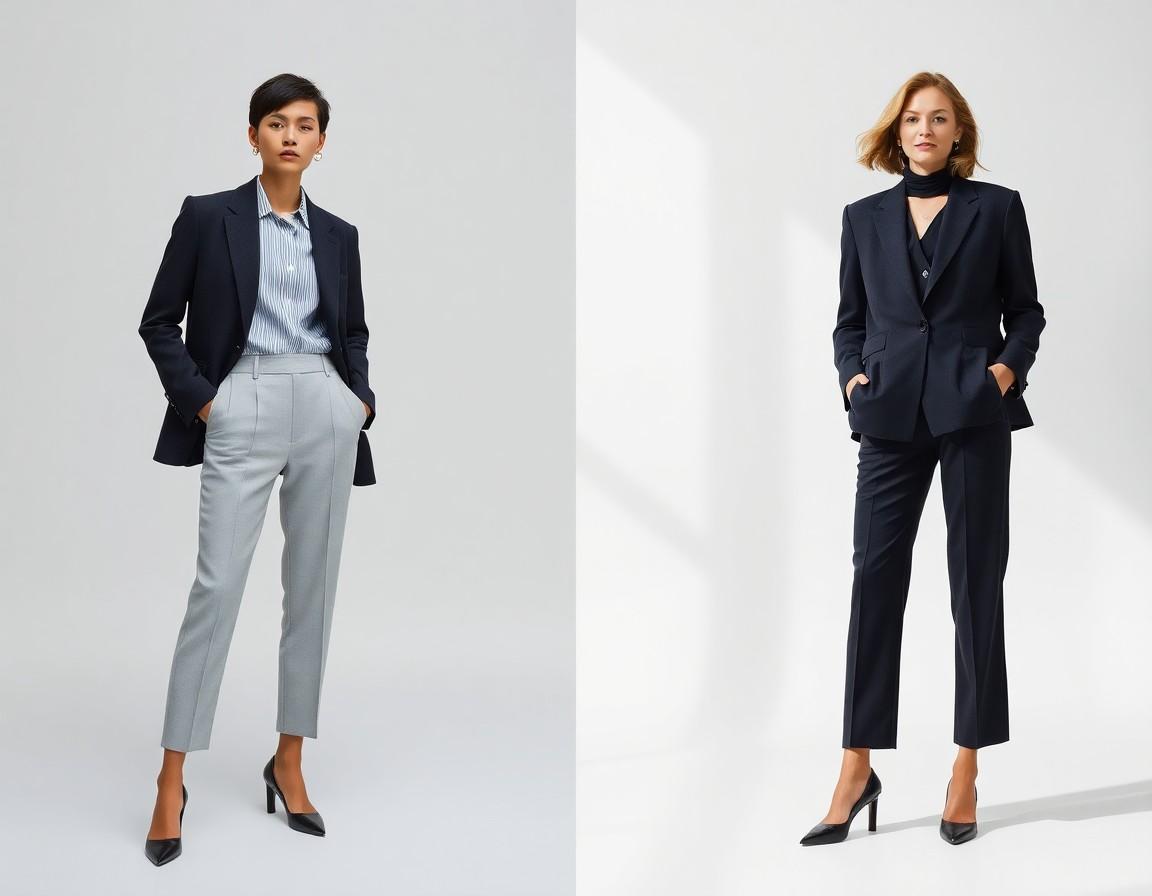
The first day sets the tone, but it's a different problem from the interview: you've already got the job, so now you want to fit in, look capable, and stay comfortable while you absorb a hundred new things. Aim to match the office's everyday code — or land just slightly above it — and you'll spend zero energy worrying about your outfit.
Below are first-day looks by office type, plus a simple strategy for the days that follow once you've read the room.
Decode the dress code
On day one you're calibrating. Match what you saw at the interview, then adjust.
- Mirror the dress code you observed during interviews — that's your most reliable signal.
- Day one, lean a touch above the average; you can relax toward the norm once you've seen it firsthand.
- Prioritize comfort — first days are long, full of introductions, and sometimes a building tour.
- Keep a blazer or layer on hand; meeting rooms and a surprise leadership intro both reward it.
Corporate & business offices
The polished professional
- Tailored trousers or a skirt with a blazer or fine knit
- A crisp shirt or blouse
- Comfortable loafers or low heels
Match the suit-or-not norm you saw at interview. A blazer you can remove lets you adjust to whatever the day's formality turns out to be.
Business-casual & hybrid offices
The smart-casual staple
- Chinos or tailored trousers with a knit or button-down
- A blazer or cardigan for layering
- Clean leather sneakers, loafers, or flats
Comfortable, neat, and easy to dress up or down as the day unfolds. This is the safest first-day default for most modern offices.
Creative & casual offices
The relaxed-but-considered
- Dark jeans or relaxed trousers with a well-cut top
- A structured jacket or overshirt
- Minimal sneakers or boots
Even in a casual office, day one rewards looking like you made an effort. Clean lines and one considered piece do it.
Quick do's and don'ts
- Mirror the dress code you saw at the interview — it's your best read on the real culture.
- Pick comfort you can stand and walk in; first days involve a lot of both.
- Bring a layer — meeting rooms run cold and a surprise leadership intro rewards a blazer.
- Avoid brand-new, unbroken-in shoes; blisters on day one are a bad omen for the week.
- Keep it slightly above the norm on day one, then relax toward the average as you learn the room.
- Have outfits two and three planned so the first week runs on autopilot while you focus on the job.
First day at a new job outfit FAQs
What should I wear on my first day at a new job?
Mirror the dress code you observed during your interviews, then land just slightly above the everyday norm. Prioritize comfort, since first days are long and full of introductions, and bring a blazer or layer you can add for meetings or a leadership intro. Once you've seen the office firsthand, you can calibrate toward the average.
Should I dress up more on the first day?
A little. Leaning slightly above the office norm on day one signals that you're taking the role seriously, and it's easy to dial back once you've read the room. Just don't overdo it to the point of standing out — the goal is to look capable and fit in, not to look like you're still interviewing.
What if I don't know the office dress code?
Default to smart-casual — tailored trousers or chinos with a knit or button-down and a blazer you can remove — which works across most modern offices. Think back to what people wore during your interviews, check the company's social photos, or simply ask HR or your manager beforehand; most are happy to tell you.